

Hidden Symptoms of Traumatic Brain Injuries Explained
Uncovering Hidden Symptoms of Traumatic Brain Injuries: An Integrative Approach with Chiropractic and Nurse Practitioner Care
Traumatic brain injuries, or TBIs, happen when a sudden blow or jolt to the head disrupts how the brain works. These injuries can come from car crashes, falls, sports accidents, or even blasts in military settings. Many people consider TBIs to be obvious problems, like losing consciousness or having severe headaches right away. But often, the real danger lies in hidden symptoms that show up later. These subtle signs can affect thinking, feelings, and senses in ways that are difficult to spot at first.
Hidden TBI symptoms might include trouble focusing on tasks, getting easily irritated, or noticing changes in how things taste or smell. For example, food that used to be enjoyable might suddenly have a strange metallic flavor, or familiar smells could seem off. These issues can make everyday life tough, like struggling to pay attention at work or feeling moody without a clear reason. Other common signs are ongoing headaches, feeling tired all the time, trouble sleeping, and problems with balance or coordination. Someone might trip more often or feel dizzy when standing up quickly.
Recognizing these symptoms early is key to getting better. That’s where health professionals like chiropractors and nurse practitioners come in. They can uncover these hidden issues through careful talks with patients and detailed checks. An integrative approach mixes chiropractic care, which focuses on the body’s structure and nerves, with a nurse practitioner’s medical know-how. This team effort helps manage TBIs by resolving physical problems and supporting overall health.
In this article, we’ll explore how these hidden symptoms appear and why they matter. We’ll look at ways to spot them and how an integrative treatment plan can lead to better recovery. Drawing on expert sources and clinical perspectives, including those of Dr. Alexander Jimenez, we’ll see how this holistic method addresses the whole person, not just the injury.
Hidden Symptoms of Traumatic Brain Injuries
TBIs can cause a wide range of symptoms, but many are not obvious right after the injury. These hidden signs often build up over days or weeks, making them easy to miss or blame on something else, like stress or aging. Understanding them is important because early intervention can prevent more serious problems down the line.
One group of hidden symptoms affects thinking (cognitive functions). People might have difficulty with focus, like finding it challenging to concentrate on reading or following a conversation. Memory issues can lead to forgetting recent events or difficulty making decisions. These problems can slow down thinking, speaking, or even reading, turning simple tasks into big challenges (BrainLine, n.d.). For kids, it might appear as a loss of skills they already learned, like toilet training. Adults might notice that work takes longer or that they feel confused in daily routines.
Emotional changes are another subtle area. Irritability is common, characterized by anger or frustration over small things. Mood swings can happen without warning, leading to feelings of sadness, anxiety, or depression. These shifts might make a person combative or cause them to act in an unusual way, affecting relationships with family and friends (Hanscom AFB, 2018). Often, the person with the TBI doesn’t realize the change, but those around them do. This can lead to isolation or more stress, worsening the cycle.
Sensory issues involve changes in how the body senses the world. A big one is alterations in taste or smell—food might taste unpleasant or metallic, and smells could be lost or distorted. Other sensory problems include blurry vision, ringing in the ears, or sensitivity to light and sound. These can make bright rooms or noisy places overwhelming (Mayo Clinic, 2023). Balance and coordination troubles fit here too, such as feeling dizzy or unsteady, which increases the risk of falls.
Headaches are a frequent hidden sign, starting mild but becoming more severe or lasting longer. They might happen days after the injury and persist for months. Fatigue often leads to drowsiness or lack of energy, even after resting. Sleep disturbances add to this, with some sleeping too much and others struggling to fall asleep or stay asleep (Fisher Stark, n.d.).
These symptoms overlap and can mimic other conditions, like depression or migraines, which is why they’re called “invisible wounds.” In military contexts, TBIs from blasts or accidents often show as slowed thinking or emotional ups and downs, but without visible scars (Hanscom AFB, 2018). Kids might cry more, seem cranky, or lose interest in play, while adults could have trouble with work or driving.
Causes of TBIs include falls, especially in older adults and young kids, car accidents, violence like assaults, and sports injuries in youth. Males and certain age groups, like teens and seniors, are at higher risk (Mayo Clinic, 2023). Mild TBIs, or concussions, might seem minor but can lead to long-term issues if ignored, like ongoing pain or even risks for diseases like Alzheimer’s later on.
Spotting these signs early matters because untreated TBIs can cause complications, from seizures to emotional struggles. That’s why detailed checks by health pros are vital.
Symptom Questionnaire:

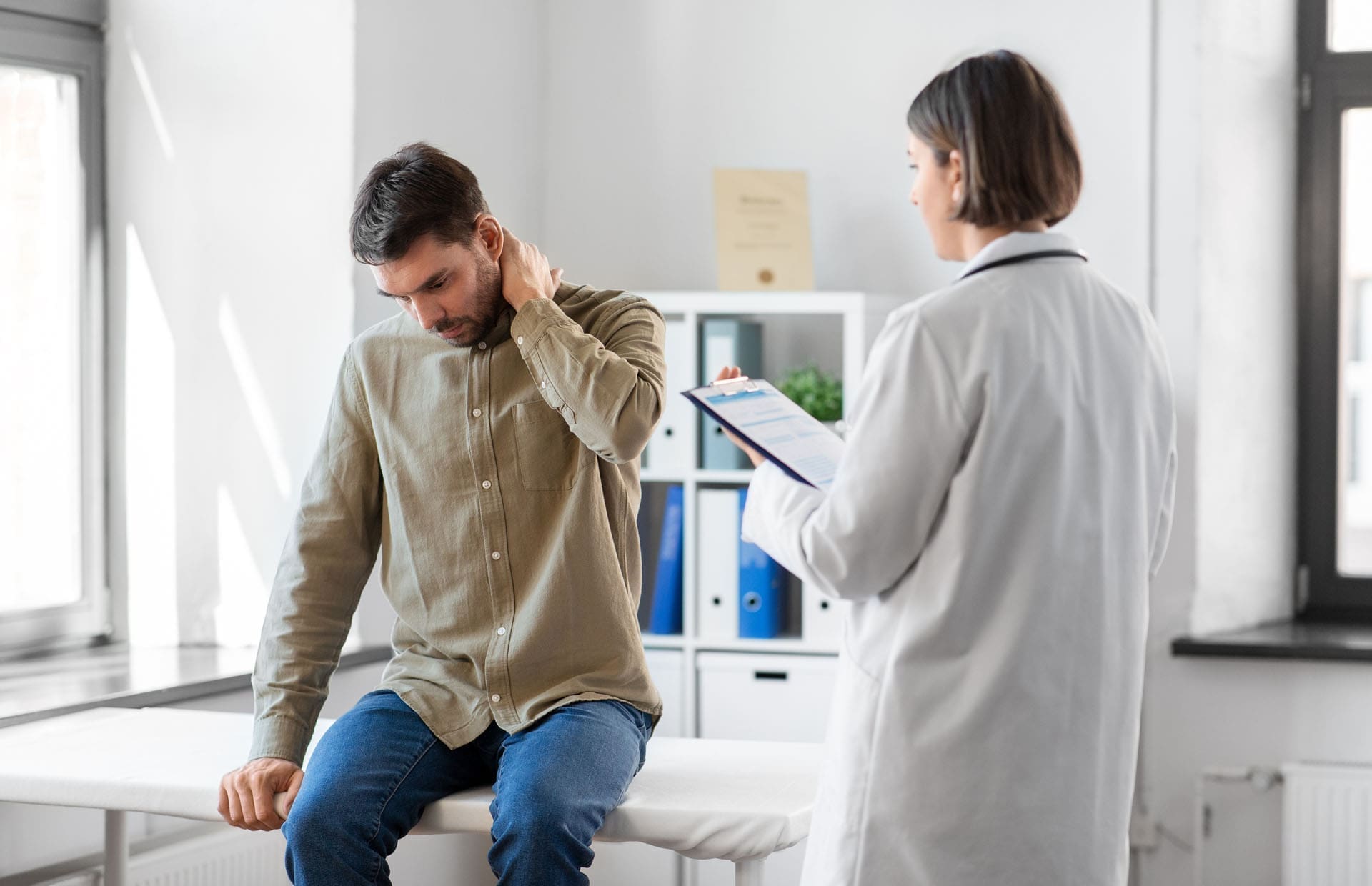
Hidden TBI symptoms don’t always show up on scans or tests right away, so uncovering them requires talking to patients and observing closely. Chiropractors and nurse practitioners excel at this because they take time to listen and ask the right questions.
A chiropractor might start with a full history, asking about the injury, when symptoms started, and how they affect daily life. They look for subtle clues, like if someone mentions food tasting odd or getting irritated easily. Through questioning, they can link these to the brain injury. For instance, changes in smell or taste might point to damage in sensory areas of the brain (Fisher Stark, n.d.). They also check physical signs, like balance, by having the patient stand on one foot or walk in a straight line.
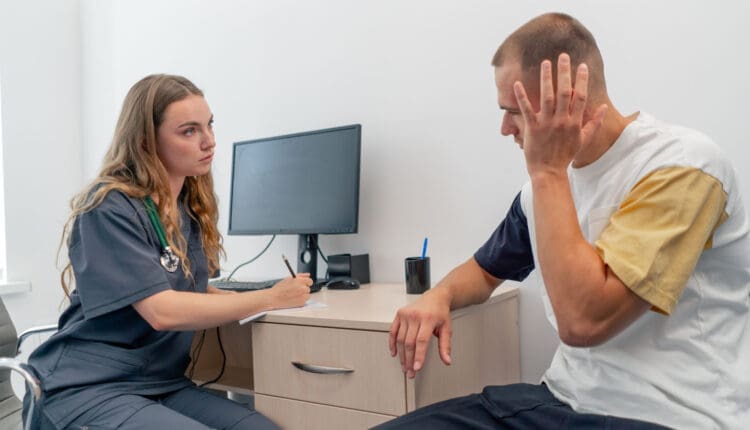
Nurse practitioners provide medical oversight, reviewing overall health and using tools such as neurological exams to spot cognitive slips. They might ask about focus issues or mood changes, uncovering emotional symptoms through talks about feelings or sleep patterns. If someone reports fatigue or headaches that won’t go away, the NP can connect it to the TBI (BrainLine, n.d.).
Both pros use detailed questioning to dig deeper. For example, asking “How has your concentration been since the accident?” can reveal cognitive problems. Or “Have you noticed any changes in how things smell?” for sensory issues. This approach helps because patients might not connect symptoms to the injury themselves.
In clinics, tools such as eye movement tests and balance assessments help confirm findings. Chiropractors might notice neck stiffness linked to headaches, while NPs monitor for things like anxiety or depression. Together, they provide a comprehensive view, ensuring there are no gaps (Denver Chiropractic, n.d.).
This method is key for mild TBIs, where symptoms are subtle. Early detection leads to better treatment, reducing risks like chronic pain or emotional distress.
The Integrative Approach to Managing TBIs
An integrative approach to TBI combines different types of care to achieve better outcomes. It pairs chiropractic methods, which address structural and nerve issues, with a nurse practitioner’s broad medical care. This holistic plan addresses the injury from all angles, helping the brain heal while supporting the whole body.
Chiropractic care focuses on the nervous system, muscles, and bones. After a TBI, the spine may be out of alignment due to the impact, which can block nerve signals and slow down recovery. Chiropractors use spinal adjustments to correct this, improving communication between the brain and body. This can ease headaches, dizziness, and balance problems by restoring proper blood and fluid flow to the brain (Apex Chiropractic, n.d.).
Massage and trigger-point work are examples of soft-tissue therapies that help relax the neck and shoulders. These areas often get tight after a head injury, causing more pain or foggy thinking. By loosening them, chiropractors reduce pressure that might worsen symptoms (Calibration Mansfield, n.d.).
Targeted exercises are part of the plan, too. Things like balance drills or eye movement training strengthen weak areas and boost brain function. These use the brain’s ability to adapt, called neuroplasticity, to rebuild pathways damaged by the injury. For example, vestibular exercises help with coordination, making it easier to walk or stand without falling (HML Functional Care, n.d.).
Chiropractors also consider a person’s diet and lifestyle to help them heal and reduce inflammation. This might include advice on anti-inflammatory foods or stress-reduction strategies, as well as creating a better recovery environment (Pinnacle Health Chiropractic, n.d.).
Nurse practitioners bring medical oversight, managing the bigger picture. They handle cognitive and emotional support, like suggesting therapy for irritability or depression. They monitor metabolic health, keeping blood sugar in check to reduce further brain stress. NPs can prescribe medications when needed, monitor for complications, and coordinate with other doctors (MDPI, 2024).
In this team setup, the chiropractor fixes physical imbalances that affect the brain, while the NP ensures overall health stays on track. For instance, if a patient has sleep issues, the NP might address anxiety, and the chiropractor could adjust the spine to improve nerve function linked to rest.
Studies show this collaborative model works well. In one case, adding chiropractic to a team helped a patient with chronic headaches and anxiety get back to work by addressing missed musculoskeletal issues (PMC, 2010). Another example is Paula, who recovered from a long-term TBI through adjustments, therapies, and exercises, returning to her job and even running marathons (NW Health, n.d.).
Timing matters—starting care at the right point, with trained pros, leads to better outcomes. Chiropractic neurology uses advanced methods, such as neurofeedback, to help the brain heal without drugs (Neurochiro, n.d.).
This approach is non-invasive and patient-focused, reducing reliance on meds and promoting long-term wellness. Addressing imbalances and supporting all aspects of health helps people fully recover from TBIs.
Clinical Observations from Dr. Alexander Jimenez
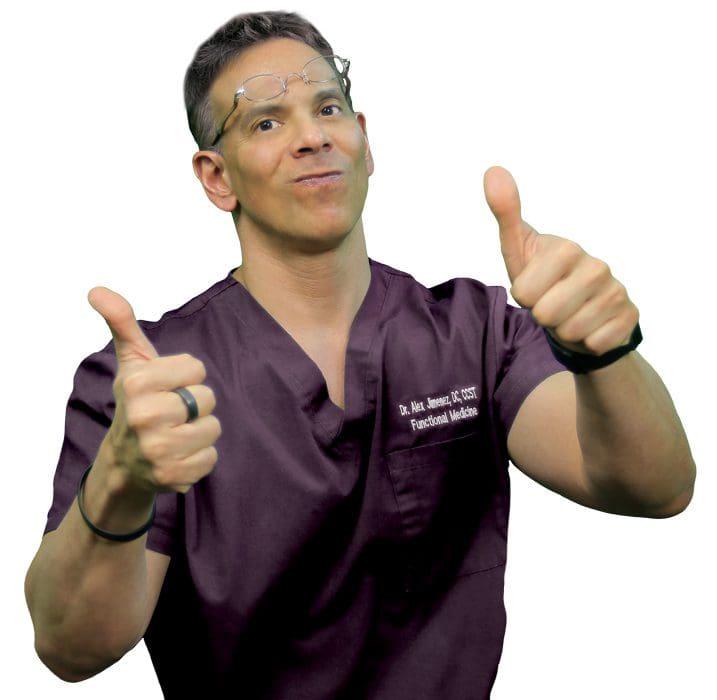
Dr. Alexander Jimenez, a chiropractor with over 30 years of experience and credentials as a DC, APRN, and FNP-BC, offers valuable insights into TBI management. His work blends chiropractic care with nurse practitioner roles in an integrative way.
Dr. Jimenez treats TBIs by addressing the root causes of neurological and bodily issues. He uses non-invasive methods like spinal adjustments and nutritional support to manage hidden symptoms, such as cognitive problems, emotional imbalances, and sensory changes. His approach focuses on restoring function through holistic strategies, including rehab and lifestyle changes.
He focuses on functional medicine in his practice, using nutrition, the environment, and habits to help people get better. He collaborates with other experts to develop personalized plans, helping with issues such as pain, weakness, and thinking difficulties.
Dr. Jimenez’s observations highlight how combining chiropractic and medical care tackles immune, hormonal, and structural problems in TBIs. His projects, such as podcasts and treatment centers, spread knowledge about these methods, demonstrating real improvements in patients’ lives (LinkedIn, n.d.).
His award-winning work underscores the power of this dual role in uncovering and treating subtle TBI effects.
Conclusion
Hidden TBI symptoms can disrupt life in quiet ways, but with the right care, recovery is possible. An integrative approach using chiropractic and nurse practitioner expertise offers a complete path to healing. By spotting issues early and treating the whole person, this method improves brain function and overall health.
References
Apex Chiropractic. (n.d.). 3 Benefits of Chiropractic Care Following a Traumatic Brain Injury. https://apexchiroco.com/auto-injury/3-benefits-of-chiropractic-care-following-a-traumatic-brain-injury/
BrainLine. (n.d.). Symptoms of Traumatic Brain Injury (TBI). https://www.brainline.org/article/symptoms-traumatic-brain-injury-tbi
Calibration Mansfield. (n.d.). How Can Integrative Chiropractic Care Help with Traumatic Brain Injuries. https://www.calibrationmansfield.com/blog/how-can-integrative-chiropractic-care-help-with-traumatic-brain-injuries.html
Denver Chiropractic. (n.d.). Mild Traumatic Brain Injury: Can a Chiropractor Help?. https://denver-chiropractic.com/mild-traumatic-brain-injury-can-chiropractor-help/
Fisher Stark. (n.d.). Hidden Signs of a Serious Head Injury (Traumatic Brain Injury). https://fisherstark.com/hidden-signs-of-a-serious-head-injury-traumatic-brain-injury/
Hanscom AFB. (2018). TBI Recognition Critical to Treating Invisible Wounds. https://www.hanscom.af.mil/News/Article-Display/Article/1126278/tbi-recognition-critical-to-treating-invisible-wounds/
HML Functional Care. (n.d.). How Chiropractic Neurology Supports Brain Healing. https://hmlfunctionalcare.com/how-chiropractic-neurology-supports-brain-healing/
Jimenez, A. (n.d.). Dr. Alexander Jimenez, DC, APRN, FNP-BC, IFMCP, CFMP, ATN – LinkedIn. https://www.linkedin.com/in/dralexjimenez/
Mayo Clinic. (2023). Traumatic Brain Injury – Symptoms & Causes. https://www.mayoclinic.org/diseases-conditions/traumatic-brain-injury/symptoms-causes/syc-20378557
MDPI. (2024). Nursing Interventions to Prevent Secondary Injury in Critically Ill Patients with Traumatic Brain Injury: A Scoping Review. https://www.mdpi.com/2077-0383/13/8/2396
Neurochiro. (n.d.). Traumatic Brain Injury | Chiropractic Neurology. https://www.neurochiro.com/services/brain-injury/
NW Health. (n.d.). Chiropractic Economics: Chiropractic and Traumatic Brain Injuries. https://www.nwhealth.edu/news/reis-writes-for-chiropractic-economics-chiropractic-and-traumatic-brain-injuries/
Pinnacle Health Chiropractic. (n.d.). Six Ways Chiropractic Care Supports Healing After TBI. https://www.pinnaclehealthchiro.com/blog/six-ways-chiropractic-care-supports-healing-after-tbi
PMC. (2010). Chiropractors and Collaborative Care: An Overview Illustrated with a Case Report. https://pmc.ncbi.nlm.nih.gov/articles/PMC2921780/
Post Disclaimers
General Disclaimer, Licenses and Board Certifications *
Professional Scope of Practice *
The information herein on "Hidden Symptoms of Traumatic Brain Injuries Explained" is not intended to replace a one-on-one relationship with a qualified health care professional or licensed physician and is not medical advice. We encourage you to make healthcare decisions based on your research and partnership with a qualified healthcare professional.
Blog Information & Scope Discussions
Welcome to El Paso's Premier Wellness and Injury Care Clinic & Wellness Blog, where Dr. Alex Jimenez, DC, FNP-C, a Multi-State board-certified Family Practice Nurse Practitioner (FNP-BC) and Chiropractor (DC), presents insights on how our multidisciplinary team is dedicated to holistic healing and personalized care. Our practice aligns with evidence-based treatment protocols inspired by integrative medicine principles, similar to those on this site and on our family practice-based chiromed.com site, focusing on naturally restoring health for patients of all ages.
Our areas of multidisciplinary practice include Wellness & Nutrition, Chronic Pain, Personal Injury, Auto Accident Care, Work Injuries, Back Injury, Low Back Pain, Neck Pain, Migraine Headaches, Sports Injuries, Severe Sciatica, Scoliosis, Complex Herniated Discs, Fibromyalgia, Chronic Pain, Complex Injuries, Stress Management, Functional Medicine Treatments, and in-scope care protocols.
Our information scope is multidisciplinary, focusing on musculoskeletal and physical medicine, wellness, contributing etiological viscerosomatic disturbances within clinical presentations, associated somato-visceral reflex clinical dynamics, subluxation complexes, sensitive health issues, and functional medicine articles, topics, and discussions.
We provide and present clinical collaboration with specialists from various disciplines. Each specialist is governed by their professional scope of practice and their jurisdiction of licensure. We use functional health & wellness protocols to treat and support care for musculoskeletal injuries or disorders.
Our videos, posts, topics, and insights address clinical matters and issues that are directly or indirectly related to our clinical scope of practice.
Our office has made a reasonable effort to provide supportive citations and has identified relevant research studies that support our posts. We provide copies of supporting research studies upon request to regulatory boards and the public.
We understand that we cover matters that require an additional explanation of how they may assist in a particular care plan or treatment protocol; therefore, to discuss the subject matter above further, please feel free to ask Dr. Alex Jimenez, DC, APRN, FNP-BC, or contact us at 915-850-0900.
We are here to help you and your family.
Blessings
Dr. Alex Jimenez DC, MSACP, APRN, FNP-BC*, CCST, IFMCP, CFMP, ATN
email: [email protected]
Multidisciplinary Licensing & Board Certifications:
Licensed as a Doctor of Chiropractic (DC) in Texas & New Mexico*
Texas DC License #: TX5807, Verified: TX5807
New Mexico DC License #: NM-DC2182, Verified: NM-DC2182
Multi-State Advanced Practice Registered Nurse (APRN*) in Texas & Multi-States
Multi-state Compact APRN License by Endorsement (42 States)
Texas APRN License #: 1191402, Verified: 1191402 *
Florida APRN License #: 11043890, Verified: APRN11043890 *
Colorado License #: C-APN.0105610-C-NP, Verified: C-APN.0105610-C-NP
New York License #: N25929, Verified N25929
License Verification Link: Nursys License Verifier
* Prescriptive Authority Authorized
ANCC FNP-BC: Board Certified Nurse Practitioner*
Compact Status: Multi-State License: Authorized to Practice in 40 States*
Graduate with Honors: ICHS: MSN-FNP (Family Nurse Practitioner Program)
Degree Granted. Master's in Family Practice MSN Diploma (Cum Laude)
Dr. Alex Jimenez, DC, APRN, FNP-BC*, CFMP, IFMCP, ATN, CCST
My Digital Business Card
Licenses and Board Certifications:
DC: Doctor of Chiropractic
APRNP: Advanced Practice Registered Nurse
FNP-BC: Family Practice Specialization (Multi-State Board Certified)
RN: Registered Nurse (Multi-State Compact License)
CFMP: Certified Functional Medicine Provider
MSN-FNP: Master of Science in Family Practice Medicine
MSACP: Master of Science in Advanced Clinical Practice
IFMCP: Institute of Functional Medicine
CCST: Certified Chiropractic Spinal Trauma
ATN: Advanced Translational Neutrogenomics
Memberships & Associations:
TCA: Texas Chiropractic Association: Member ID: 104311
AANP: American Association of Nurse Practitioners: Member ID: 2198960
ANA: American Nurse Association: Member ID: 06458222 (District TX01)
TNA: Texas Nurse Association: Member ID: 06458222
NPI: 1205907805
| Primary Taxonomy | Selected Taxonomy | State | License Number |
|---|---|---|---|
| No | 111N00000X - Chiropractor | NM | DC2182 |
| Yes | 111N00000X - Chiropractor | TX | DC5807 |
| Yes | 363LF0000X - Nurse Practitioner - Family | TX | 1191402 |
| Yes | 363LF0000X - Nurse Practitioner - Family | FL | 11043890 |
| Yes | 363LF0000X - Nurse Practitioner - Family | CO | C-APN.0105610-C-NP |
| Yes | 363LF0000X - Nurse Practitioner - Family | NY | N25929 |
Dr. Alex Jimenez, DC, APRN, FNP-BC*, CFMP, IFMCP, ATN, CCST
My Digital Business Card





Comments are closed.