
Sciatic Nerve Compression After an Accident: Treatment Options
Sciatic Nerve Compression After an Accident: What Actually Happens to the Nerve—and How Integrative Care Helps
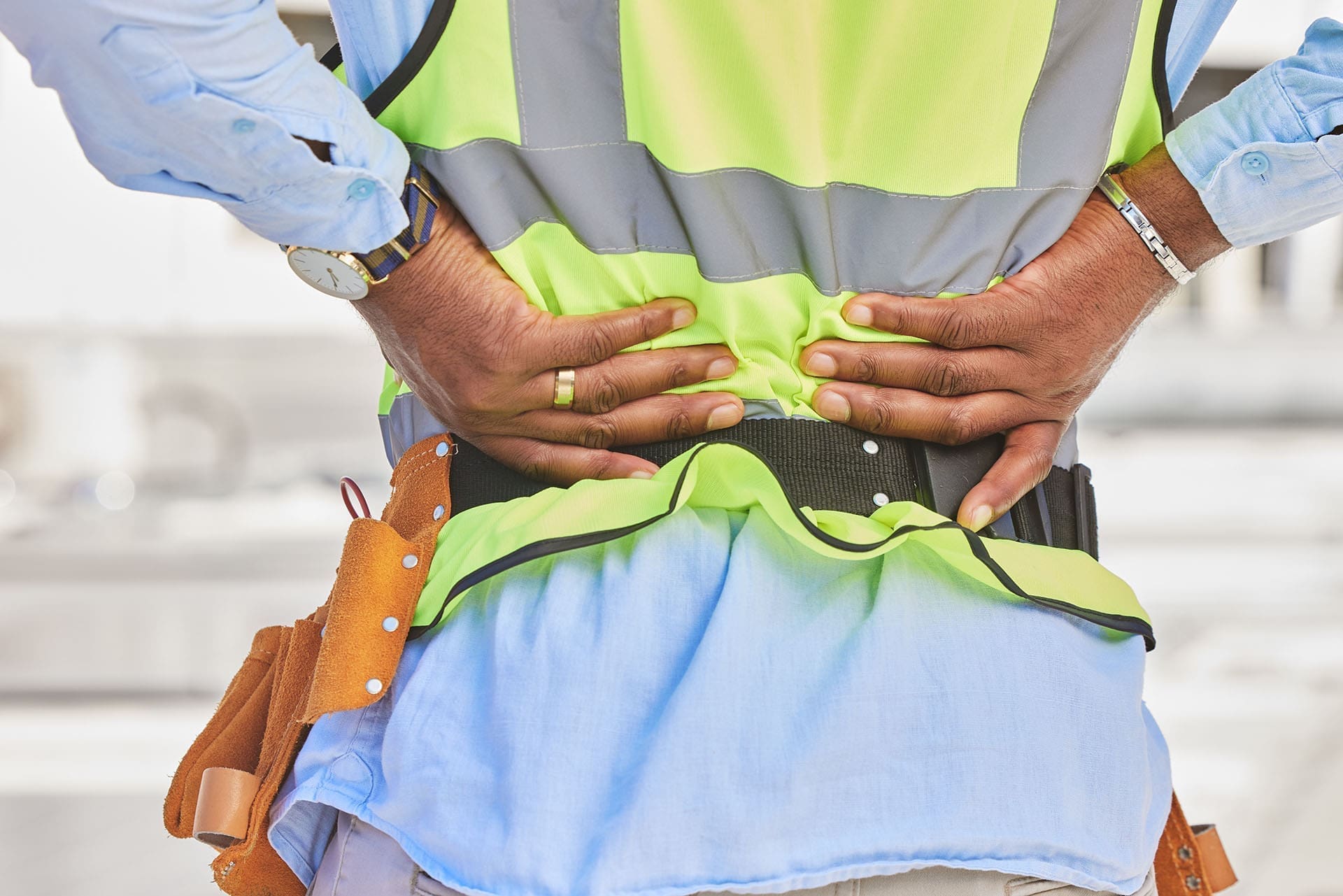
When the sciatic nerve is squeezed, “pinched,” or crushed, it doesn’t just “hurt.” The nerve’s structure changes. Its insulation can fray, its wiring can misfire, and, if the pressure lasts long enough, parts of the nerve can even degenerate. That’s why people feel sharp leg pain, pins-and-needles, numbness, or muscle weakness after car crashes, falls, work injuries, or sports impacts. The exact damage depends on how severe the pressure is and how long it lasts. In personal-injury cases, understanding these physical changes is vital for treatment, documentation, and recovery.
This guide explains—in clear terms—what physically happens to the sciatic nerve under pressure, how doctors test and image the problem, how integrative chiropractic care can help, and how clinics like those you’ll find through Personal Injury Doctor Group organize medical care and legal-grade documentation for injuries from work, sports, personal, and motor-vehicle accidents (MVAs). (Penn Medicine, 2024; Mayo Clinic, 2023). Penn Medicine+1
1) A quick tour of the sciatic nerve
The sciatic nerve is the body’s largest nerve. It starts in the lower spine, runs through the buttocks, and travels down the back of the leg into the foot. It supplies muscle power to the back of the knee and lower leg and provides sensation to the back of the thigh, much of the lower leg, and the sole of the foot (Penn Medicine, 2024). Penn Medicine
Think of the nerve like a thick cable:
-
Axons are the tiny wires that carry electrical signals.
-
Myelin is the insulation that helps signals travel fast.
-
Connective layers (endoneurium, perineurium, and epineurium) = protective sheathing.
When the nerve is compressed, any of these layers can be affected (Menorca et al., 2013). PMC
2) What “compressed,” “pinched,” or “crushed” actually does to the nerve
Doctors describe nerve damage with three classic grades. The sciatic nerve can suffer one grade or a mix of them along different segments after trauma (Menorca et al., 2013; Chhabra et al., 2014). PMC+1
-
Neurapraxia (mild) – Often from mild compression or traction. The myelin (insulation) is damaged, so signals slow down or block temporarily. The inner wire (axon) stays intact. This causes numbness, tingling, or weakness but usually recovers once pressure eases (Menorca et al., 2013). PMC
-
Axonotmesis (moderate) – The axon is disrupted, but parts of the sheath remain. Muscles can weaken because signals can’t pass until the axon regrows. Recovery takes longer and can be incomplete (Menorca et al., 2013). PMC
-
Neurotmesis (severe) – The nerve is fully torn (axon and connective layers). Without surgery, function may not return (Menorca et al., 2013). PMC
The chain reaction inside the nerve
-
Ischemia (low blood flow): As pressure increases, tiny blood vessels feeding the nerve get squeezed. Less oxygen triggers pain and malfunction; with time, tissue can die (Verywell Health, 2023; NCBI Bookshelf overview of compression pathophysiology). Verywell Health+1
-
Demyelination: The insulation thins or breaks, slowing or blocking electrical conduction (Menorca et al., 2013). PMC
-
Edema and scarring: Swelling forms around and inside the nerve, and scar tissue can develop, keeping the pressure cycle going (Menorca et al., 2013). PMC
-
Wallerian degeneration (after bigger injuries): The downstream portion of a damaged axon breaks down so it can later regrow. This is part of the body’s cleanup and repair plan, but it also explains weakness after more serious injuries (Menorca et al., 2013). PMC
Bottom line: Pressure that is strong or lasts long shifts damage from temporary myelin issues to axon injury, which is harder to heal.
3) Why a crash or fall can trigger sciatica
After an accident, disks can bulge or herniate, and bone spurs (often linked to osteoarthritis) can narrow the spaces where nerves travel. Swollen muscles, tendons, or ligaments can add squeeze points. Any of these can pinch a nerve root in the lower spine and send pain down the leg—classic sciatica (Mayo Clinic, 2023; Penn Medicine, 2024). Mayo Clinic+1
Crush injuries—like a heavy object trapping the leg—can directly damage the sciatic nerve or create compartment syndrome, a dangerous pressure buildup in the leg that starves nerves and muscles of blood (Horton & Mendez, 2024; PhysioWorks/Cleveland Clinic, 2024–2025). Horton Mendez+2PhysioWorks!+2
4) What you feel: common symptoms and red flags
Typical symptoms include:
-
Sharp, shooting leg pain, sometimes with back pain
-
Tingling or numbness in the leg or foot
-
The patient may experience weakness, such as difficulty pushing off with the foot or standing on toes (Penn Medicine, 2024). Penn Medicine
A simple clinic maneuver—the Straight-Leg Raise—often increases leg pain when the nerve root is irritated (StatPearls SLR; Penn Medicine, “pain when lifting the leg”). NCBI+1
See urgent care now if you have bowel/bladder changes, saddle numbness, or rapidly worsening weakness—signs of severe nerve compromise (Mayo Clinic, 2024; ADR Spine, 2025). Mayo Clinic+1
5) “Double-crush” and other complicating factors
Sometimes a nerve is irritated in more than one spot at once—a concept called double-crush syndrome. Two smaller “squeezes” can add up to major symptoms (first described in 1973), and the second site may be far from the first (Menorca et al., 2013; Southwest Wound Care, 2025). PMC+1
If a crash or impact also triggers compartment syndrome, pressure inside a muscle compartment rises, cutting blood flow and risking permanent nerve and muscle damage. Acute cases are emergencies, while chronic cases present as exercise-induced pain that eases with rest (PhysioWorks; Cleveland Clinic). PhysioWorks!+1
6) How clinicians confirm what’s wrong (and how serious it is)
Focused exam: Your clinician checks strength, sensation, reflexes, and performs the Straight-Leg Raise to see if symptoms track with sciatic nerve irritation (Penn Medicine, 2024; StatPearls SLR, 2023). Penn Medicine+1
Imaging:
-
MRI looks for disk herniations, stenosis, and swelling around nerve roots.
-
MR neurography can help grade nerve injury (demyelination vs. axon damage) and map injured segments, guiding treatment or surgery when needed (Chhabra et al., 2014). PMC
Electrodiagnostics (EMG/NCS): These tests assess signal speed and strength, helping classify injury and track recovery over time (consistent with standard nerve-compression workups; see MedStar/Penn overviews). MedStar Health+1
7) What treatment aims to do
The goal is to reduce pressure, calm inflammation, restore signal flow, and rebuild strength and motion:
-
Conservative care first: Activity modification, guided exercise, and pain control; bed rest is not recommended (Penn Medicine, 2024). Penn Medicine
-
Address the cause: If a bone spur, herniated disk, or tight muscle is to blame, plans target that source (Mayo Clinic, 2023). Mayo Clinic
-
Monitor progression: Prolonged compression risks long-term nerve damage (Mayo Clinic, 2023). Mayo Clinic
-
Surgery: Reserved for red-flag cases or when targeted conservative care fails (Penn Medicine, 2024; MedStar, 2025). Penn Medicine+1
8) How integrative chiropractic care helps (spine + soft tissue + rehab)
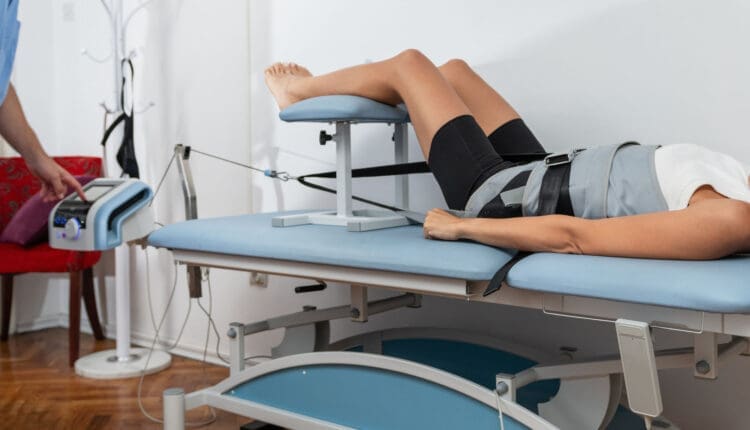
Chiropractic integrative care combines spinal manipulation, soft-tissue therapy, and rehabilitation exercises. The aim is to improve alignment, ease muscle spasm, reduce local pressure and inflammation, and retrain movement—all of which support better nerve signal flow and functional recovery while reducing the risk of future flare-ups.
-
Spinal manipulation & mobilization can improve joint mechanics and posture to reduce nerve-root irritation when appropriate.
-
Soft-tissue therapy helps calm tight or overactive muscles that may be adding “squeeze” to nerve pathways. Massage approaches that reduce local compression and tension are emphasized; therapists avoid techniques that increase symptoms (AMTA, 2020; AMTA massage guidance pages). American Massage Therapy Association+1
-
Rehab exercises restore strength, flexibility, and balance; core and hip training reduces strain on the lower back and nerve roots (Penn Medicine, 2024). Penn Medicine
This whole-person method addresses immediate pain and stiffness while working on long-term stability to prevent re-injury. It pairs well with medical management (e.g., targeted injections when indicated) in a team-based plan (MedStar Health overviews). MedStar Health
9) Clinical observations from El Paso’s Dr. Alexander Jimenez, DC, APRN, FNP-BC
Dr. Alexander Jimenez is both a Doctor of Chiropractic (DC) and an Advanced Practice Registered Nurse / Family Nurse Practitioner (APRN, FNP-BC)—a dual scope that helps bridge musculoskeletal care with primary-care level evaluation. His clinic emphasizes integrative and functional medicine principles: careful history, lifestyle, and ergonomic analysis, and coordinated rehab while tracking outcomes that matter to patients with complex injuries (Jimenez clinic site; LinkedIn profile). El Paso, TX Doctor Of Chiropractic+1
Clinical correlation, he emphasizes in practice:
-
Dual-scope diagnosis: Ortho-neuro screening plus primary-care considerations (e.g., metabolic or inflammatory contributors that may slow healing).
-
Procedure selection: Gentle spinal manipulation or mobilization when indicated, soft-tissue release for muscle-guarding, and graded exercise for progressive loading.
-
Diagnostic assessments: Strategic use of imaging (MRI; MR neurography when appropriate) and electrodiagnostics to confirm level and severity of nerve involvement, rather than treating by pain location alone (Chhabra et al., 2014; Penn Medicine). PMC+1
-
Advanced neuromusculoskeletal imaging: Referral for MRI/MR-neurography when red flags, severe weakness, or non-response suggest axon injury or surgical lesions.
-
Return-to-work/sport planning: Clear stage-based rehab goals to restore capacity safely.
-
Patient education: Simple explanations of demyelination vs. axon injury and why time under pressure matters—encouraging early care to prevent permanent changes (Mayo Clinic, 2023; Menorca et al., 2013). Mayo Clinic+1
10) How Personal Injury Doctor Group–style clinics handle work, sports, personal, and MVA injuries
For injury cases, care and documentation have to be equally strong. Clinics aligned with Personal Injury Doctor Group typically:
-
Triage & timelines
-
Capture mechanism of injury, pain timeline, and “gaps in care.”
-
Document red flags and immediate referrals when needed (Mayo Clinic sciatica/symptom red flags). Mayo Clinic
-
-
Objective testing
-
Neurologic exam with dermatomes, myotomes, reflexes; Straight-Leg Raise results.
-
Baseline function scores (e.g., pain scales, disability indices).
-
Order an MRI when severe neuro deficits or persistent pain suggest structural compression; consider MR neurography if the diagnosis is unclear or injury severity needs grading (Chhabra et al., 2014). PMC
-
-
Clear differentials
-
Differentiate nerve root compression from peripheral entrapment and non-neurologic mimics (e.g., hip pathology).
-
Consider double-crush if symptoms don’t match a single site (Menorca et al., 2013; Southwest Wound Care). PMC+1
-
-
Evidence-guided care plans
-
Prioritize conservative management first (activity changes, manual therapy, and graded exercise), adding injections or surgery only when indicated (Penn Medicine; MedStar Health). Penn Medicine+1
-
-
Legal-ready documentation
-
Maintain clear causation statements (mechanism ? findings ? diagnosis).
-
Keep structured progress notes showing responses to care.
-
Archive images/reports and electrodiagnostic data with dates, findings, and interpretations tied to function (MedStar service pages show typical pathways and conditions treated, including “lesion of the sciatic nerve”). MedStar Health
-
-
Return-to-function milestones
-
Use objective strength/flexibility markers and work-conditioned tasks to guide a safe return to the job or sport.
-
11) Why symptoms can linger (and how to prevent that)
Pain can fade while weakness or numbness lingers. That’s because myelin can repair faster than an axon can regrow. Axons need time and a calm pathway to sprout toward their targets. If pressure continues, or if scar tissue keeps the squeeze on, recovery can stall (Menorca et al., 2013; Mayo Clinic, 2023). PMC+1
Prevention tips that help the sciatic nerve stay happy (simple but effective):
-
Move often: Avoid long, static sitting or slouched positions.
-
Strengthen core and hips: Strong support reduces nerve-root strain.
-
Pace loads: Build activity gradually after injury (Penn Medicine, 2024). Penn Medicine
12) Practical FAQs for injury patients
“How do I know if my pain is sciatica or a muscle strain?”
Sciatica often radiates below the knee, may include numbness/tingling, and can worsen with a positive Straight-Leg Raise test in the clinic. Muscle strains tend to be localized and ease as the muscle heals (Penn Medicine; StatPearls SLR). Penn Medicine+1
“Will massage or soft-tissue work make it worse?”
Appropriate techniques aim to reduce compression/tension and avoid positions that provoke symptoms. Skilled therapists adjust pressure, direction, and dosage, avoiding methods that increase nerve irritation (AMTA guidance). American Massage Therapy Association+1
“When is surgery necessary?”
Severe or progressive weakness, loss of bowel/bladder control, or confirmed large compressive lesions that fail conservative care push doctors toward surgical decompression (Penn Medicine; MedStar). Penn Medicine+1
13) A note on “last-stage” sciatica
If ignored, sciatica can progress to more serious nerve injury. Late-stage cases can involve persistent numbness, weakness, and even bowel or bladder problems—signs that demand urgent specialist care (ADR Spine, 2025; Mayo Clinic, 2024). ADRSpine+1
14) How Personal Injury Doctor Group can help
If you’ve been in a car crash, work accident, sports injury, or fall, you need a team that can both treat your pain and document your case correctly. The clinicians you’ll find through Personal Injury Doctor Group:
-
use clear diagnostic pathways (exam ? targeted imaging ? function testing);
-
build integrative care plans (chiropractic, soft-tissue therapy, rehab, pain-management consults when needed);
-
and keep complete, legible records that connect mechanism, findings, diagnosis, treatment, and outcomes—the essentials for medical and legal clarity (MedStar condition pages illustrate the model of nerve-injury pathways). MedStar Health
References
Aguilar-Shea, A. L., et al. (2022). Sciatica: Management for family physicians. Canadian Family Physician. PMC
American Massage Therapy Association. (2020, Feb 13). Massage therapy for nerve compression injuries. American Massage Therapy Association
Chhabra, A., et al. (2014). Peripheral nerve injury grading simplified on MR neurography. Insights into Imaging. PMC
Horton & Mendez Injury Attorneys. (2024). Do crush injuries cause nerve damage?. Horton Mendez
Jimenez, A. (n.d.). El Paso, TX—Functional and integrative injury care. El Paso, TX Doctor Of Chiropractic
Mayo Clinic Staff. (2023, Dec 21). Pinched nerve: Symptoms & causes. Mayo Clinic
MedStar Health. (n.d.). Lesion of the sciatic nerve. MedStar Health
MedStar Health. (n.d.). Sciatica—Symptoms & treatment. MedStar Health
Menorca, R. M. G., Fussell, T. S., & Elfar, J. C. (2013). Peripheral nerve trauma: Mechanisms of injury and recovery. Hand (N Y). PMC
NCBI Bookshelf. (1999). Pathophysiology of nerve compression syndromes. NCBI
Penn Medicine. (2024, Aug 27). Sciatica. Penn Medicine
PhysioWorks. (2024, Sep 8). Compartment syndrome. PhysioWorks!
Southwest Wound Care. (2025, Mar 26). Double crush syndrome: Understanding this complex nerve condition. Southwest Regional Wound Care Center
StatPearls. (2023). Straight-Leg Raise Test. NCBI
Verywell Health. (2023, Jun 21). What is ischemia?. Verywell Health
ADR Spine. (2025, Mar 3). Last stages of sciatica: Causes, symptoms, & treatment. ADRSpine
AMTA – Massage Today. (n.d.). Nerve compression of the hand. American Massage Therapy Association
Post Disclaimers
General Disclaimer, Licenses and Board Certifications *
Professional Scope of Practice *
The information herein on "Sciatic Nerve Compression After an Accident: Treatment Options" is not intended to replace a one-on-one relationship with a qualified health care professional or licensed physician and is not medical advice. We encourage you to make healthcare decisions based on your research and partnership with a qualified healthcare professional.
Blog Information & Scope Discussions
Welcome to El Paso's Premier Wellness and Injury Care Clinic & Wellness Blog, where Dr. Alex Jimenez, DC, FNP-C, a Multi-State board-certified Family Practice Nurse Practitioner (FNP-BC) and Chiropractor (DC), presents insights on how our multidisciplinary team is dedicated to holistic healing and personalized care. Our practice aligns with evidence-based treatment protocols inspired by integrative medicine principles, similar to those on this site and on our family practice-based chiromed.com site, focusing on naturally restoring health for patients of all ages.
Our areas of multidisciplinary practice include Wellness & Nutrition, Chronic Pain, Personal Injury, Auto Accident Care, Work Injuries, Back Injury, Low Back Pain, Neck Pain, Migraine Headaches, Sports Injuries, Severe Sciatica, Scoliosis, Complex Herniated Discs, Fibromyalgia, Chronic Pain, Complex Injuries, Stress Management, Functional Medicine Treatments, and in-scope care protocols.
Our information scope is multidisciplinary, focusing on musculoskeletal and physical medicine, wellness, contributing etiological viscerosomatic disturbances within clinical presentations, associated somato-visceral reflex clinical dynamics, subluxation complexes, sensitive health issues, and functional medicine articles, topics, and discussions.
We provide and present clinical collaboration with specialists from various disciplines. Each specialist is governed by their professional scope of practice and their jurisdiction of licensure. We use functional health & wellness protocols to treat and support care for musculoskeletal injuries or disorders.
Our videos, posts, topics, and insights address clinical matters and issues that are directly or indirectly related to our clinical scope of practice.
Our office has made a reasonable effort to provide supportive citations and has identified relevant research studies that support our posts. We provide copies of supporting research studies upon request to regulatory boards and the public.
We understand that we cover matters that require an additional explanation of how they may assist in a particular care plan or treatment protocol; therefore, to discuss the subject matter above further, please feel free to ask Dr. Alex Jimenez, DC, APRN, FNP-BC, or contact us at 915-850-0900.
We are here to help you and your family.
Blessings
Dr. Alex Jimenez DC, MSACP, APRN, FNP-BC*, CCST, IFMCP, CFMP, ATN
email: [email protected]
Multidisciplinary Licensing & Board Certifications:
Licensed as a Doctor of Chiropractic (DC) in Texas & New Mexico*
Texas DC License #: TX5807, Verified: TX5807
New Mexico DC License #: NM-DC2182, Verified: NM-DC2182
Multi-State Advanced Practice Registered Nurse (APRN*) in Texas & Multi-States
Multi-state Compact APRN License by Endorsement (42 States)
Texas APRN License #: 1191402, Verified: 1191402 *
Florida APRN License #: 11043890, Verified: APRN11043890 *
Colorado License #: C-APN.0105610-C-NP, Verified: C-APN.0105610-C-NP
New York License #: N25929, Verified N25929
License Verification Link: Nursys License Verifier
* Prescriptive Authority Authorized
ANCC FNP-BC: Board Certified Nurse Practitioner*
Compact Status: Multi-State License: Authorized to Practice in 40 States*
Graduate with Honors: ICHS: MSN-FNP (Family Nurse Practitioner Program)
Degree Granted. Master's in Family Practice MSN Diploma (Cum Laude)
Dr. Alex Jimenez, DC, APRN, FNP-BC*, CFMP, IFMCP, ATN, CCST
My Digital Business Card
Licenses and Board Certifications:
DC: Doctor of Chiropractic
APRNP: Advanced Practice Registered Nurse
FNP-BC: Family Practice Specialization (Multi-State Board Certified)
RN: Registered Nurse (Multi-State Compact License)
CFMP: Certified Functional Medicine Provider
MSN-FNP: Master of Science in Family Practice Medicine
MSACP: Master of Science in Advanced Clinical Practice
IFMCP: Institute of Functional Medicine
CCST: Certified Chiropractic Spinal Trauma
ATN: Advanced Translational Neutrogenomics
Memberships & Associations:
TCA: Texas Chiropractic Association: Member ID: 104311
AANP: American Association of Nurse Practitioners: Member ID: 2198960
ANA: American Nurse Association: Member ID: 06458222 (District TX01)
TNA: Texas Nurse Association: Member ID: 06458222
NPI: 1205907805
| Primary Taxonomy | Selected Taxonomy | State | License Number |
|---|---|---|---|
| No | 111N00000X - Chiropractor | NM | DC2182 |
| Yes | 111N00000X - Chiropractor | TX | DC5807 |
| Yes | 363LF0000X - Nurse Practitioner - Family | TX | 1191402 |
| Yes | 363LF0000X - Nurse Practitioner - Family | FL | 11043890 |
| Yes | 363LF0000X - Nurse Practitioner - Family | CO | C-APN.0105610-C-NP |
| Yes | 363LF0000X - Nurse Practitioner - Family | NY | N25929 |
Dr. Alex Jimenez, DC, APRN, FNP-BC*, CFMP, IFMCP, ATN, CCST
My Digital Business Card





Comments are closed.