
Athletes Keep Training During Integrative Chiropractic Recovery
Can Athletes Keep Training While Seeing an Integrative Chiropractor?
Athletes often worry that starting treatment means they have to stop training completely. In many cases, that is not true. A well-designed integrative chiropractic plan usually allows some level of continued activity, but the training often needs to be modified. The goal is not to push through pain blindly. The goal is to keep the athlete moving in a smart, structured way that protects healing tissues, maintains conditioning, and lowers the risk of a setback. The sports rehabilitation literature supports this idea, showing that relative rest and modified activity can protect the injured area while reducing deconditioning and disuse atrophy. Athletes can often continue training by following a modified activity plan rather than stopping everything at once (Crockett & Yanuck, 2011/PMC).
This is where the integrative chiropractor becomes a valuable partner. Instead of giving only a simple “rest until it feels better” message, the athlete is guided through a plan that integrates hands-on care, movement correction, soft-tissue support, recovery strategies, and return-to-play progression. Dr. Alexander Jimenez, DC, APRN, FNP-BC, describes this model as a combination of chiropractic care, medical diagnostics, functional medicine, nutrition, physical therapy support, and personalized training strategies to improve recovery and reduce the risk of recurring injury. On his website, this approach is presented as a way to restore function, improve movement, and build long-term resilience rather than just mask symptoms (Jimenez, n.d.).
Why Complete Rest Is Usually Not the Best Answer
For many sports injuries, complete rest for too long can create new problems. Muscles weaken. Cardiovascular fitness drops. Joint motion becomes limited. Confidence can also decline, especially among competitive athletes accustomed to daily movement. That is why many modern rehabilitation models focus on “relative rest” or “optimal loading.” In simple terms, this means reducing the stress that irritates the injury while still applying enough safe movement to help healing tissues adapt (Crockett & Yanuck, 2011/PMC; Dubois & Esculier, 2020).
Optimal loading matters because healing tissue responds to the right amount of stress. Too little movement may slow recovery. Too much load can flare pain and delay healing. Research in sports rehabilitation has described optimal loading as carefully matched exercise and training stress that supports repair, tissue remodeling, and return to function while avoiding sudden spikes in demand (Dhillon et al., 2017; Gabbett et al., 2020).
What Activity Modification Really Means
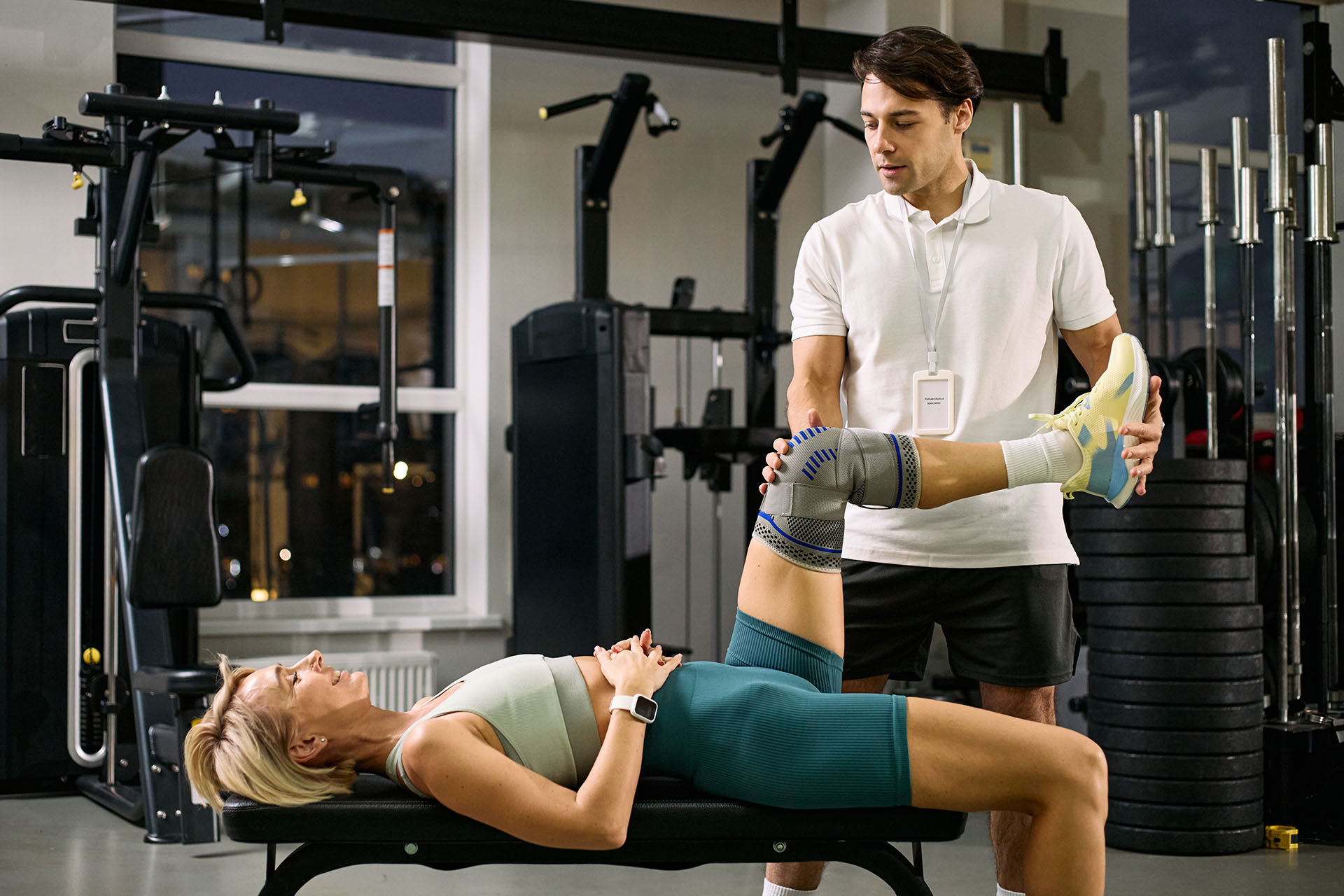
Activity modification does not mean the athlete is being “babied.” It means the training plan is being adjusted to fit the current stage of healing. For example, a runner with a lower-leg injury may stop impact running for a short time but continue pool running, cycling, upper-body training, core work, and mobility drills. A baseball player with a shoulder problem may reduce throwing volume but continue lower-body strength work, trunk control training, and nonpainful conditioning. This aligns with sports medicine guidance indicating that athletes can often continue some training when the program is modified around the injured structure (Crockett & Yanuck, 2011/PMC).
A strong sports rehabilitation program also keeps the athlete connected to the demands of the sport. One recent physiotherapy source explains that training can often continue during rehab as long as it is modified to protect the injured area while maintaining fitness, strength, and conditioning. The same source notes that sports rehabilitation should also improve movement control and loading patterns to help prevent future injury (Elite Performance Physio Manchester, 2026).
Can Athletes Resume Sports Right After a Chiropractic Visit?
The answer depends on the athlete, the injury, and the type of treatment provided. Some athletes can return to light exercise soon after treatment. Others may need a short window of reduced intensity before resuming full training. A recent physiotherapy source notes that many athletes can resume light exercise after a chiropractic session, but returning to full training or competition depends on the injury and whether additional rehab support is needed (New Hope Physio, 2025).
Other guidance recommends avoiding heavy workouts immediately after an adjustment, especially early in care. One source suggests allowing at least 2 to 6 hours before heavy exercise, while another advises gradually returning to movement with low-impact activity such as walking or swimming before progressing to harder efforts (Arrowhead Clinic, 2025; Rincon Chiropractic, n.d.).
That means athletes should think in terms of levels, not extremes. After treatment, the safest progression is usually:
-
Light movement first
-
Monitor symptoms
-
Increase intensity gradually
-
Avoid jumping straight into hard contact, max lifting, or explosive twisting if symptoms are still active
-
Follow the treating provider’s sport-specific advice
This gradual approach helps the body adapt to changes in joint motion, muscle tone, and movement patterns after treatment (Arrowhead Clinic, 2025; Rincon Chiropractic, n.d.).
How an Integrative Chiropractor Helps Athletes Train Smarter
An integrative chiropractor does more than perform an adjustment. In this model, the athlete is assessed as a whole person. Joint mechanics, soft-tissue quality, movement patterns, training load, recovery habits, and sometimes imaging all help guide the plan. Dr. Jimenez’s published material describes a dual-scope model that combines chiropractic evaluation with medical diagnostics, soft tissue therapies, functional exercise, nutrition, and recovery coaching. His site also highlights the role of imaging and medical documentation when pain, nerve issues, or structural concerns are not fully explained by a simple physical exam (Jimenez, n.d.).
This kind of approach can help athletes in several ways:
-
Restore joint motion and mobility
-
Reduce painful muscle tension and movement restriction
-
Improve neuromuscular control
-
Guide sport-specific exercise selection
-
Adjust workload so healing continues without major deconditioning
-
Support recovery with sleep, hydration, nutrition, and inflammation management
Dr. Jimenez’s site specifically describes the use of spinal and joint adjustments, soft tissue therapies, movement retraining, sport-specific exercise, anti-inflammatory nutrition, and stress management as part of athlete care (Jimenez, n.d.).
Knowing When to Pull Back
Modified training only works when the athlete respects symptoms and recovery signs. Pain that keeps rising during activity, worsening swelling, instability, loss of power, or changes in coordination are signs that the current load may be too high. For a concussion, the rules are even stricter. The CDC states that athletes should return to sports only with a healthcare provider’s approval and under supervision, following a step-by-step progression in which each step typically takes at least 24 hours. If symptoms return, the athlete should stop and return to the previous level after additional rest (CDC, 2025).
Graduated return-to-play models are especially important after a concussion. Guidance from the CDC and University of Iowa Health Care moves athletes from regular activity to light aerobic work, then to moderate activity, then to heavier non-contact or sport-specific drills, then to controlled practice, and finally to competition. This reinforces the larger point that recovery is often a staged process, not an all-or-nothing decision (CDC, 2025; University of Iowa Health Care, 2017).
Recovery Support Still Matters
Athletes who continue training during treatment still need strong recovery habits. Modified training does not replace sleep, hydration, nutrition, and tissue care. Several sports recovery sources stress that hydration, balanced nutrition, and active recovery can support performance and healing. These are not small details. They help the body manage inflammation, transport nutrients, and maintain muscle function during the rehab process (Chiropractic Fitness, 2025; Rodgers Stein Chiropractic, 2025).
Active recovery can also be useful when chosen carefully. Low-intensity walking, cycling, swimming, mobility drills, and other light movements may help circulation and reduce stiffness without overloading the injury. This aligns with the idea that healing is supported by controlled movement, not by a total shutdown in every case (Rincon Chiropractic, n.d.; Chiropractic Fitness, 2025).
The Athlete-Chiropractor Partnership
Athletes recover best when they stop seeing treatment as something passive and start seeing it as a partnership. The chiropractor provides assessment, treatment, progression, and feedback. The athlete provides honesty, consistency, and discipline. Together, they build a plan that shifts the goal from “stop everything” to “train intelligently while healing.”
This partnership matters because athletes often want to return too fast. They may feel better before the tissue is fully ready for full-speed demands. A structured plan helps prevent that mistake. Dr. Jimenez’s clinical material emphasizes long-term prevention, sport-specific movement, recovery support, and ongoing reassessment rather than just short-term pain relief (Jimenez, n.d.).
Final Thoughts
Athletes can often continue training while receiving care from an integrative chiropractor, but the key is “modified.” The best plan protects the injured area while preserving strength, conditioning, skill, and confidence. Complete rest is rarely the best long-term solution for most musculoskeletal sports injuries. Relative rest, optimal loading, hands-on treatment, movement correction, and staged return-to-play strategies typically provide a safer and more effective path to full performance (Crockett & Yanuck, 2011/PMC; Dhillon et al., 2017; CDC, 2025).
In an integrative model, the athlete is not told to simply wait and hope. The athlete is guided through a personalized strategy that supports healing while keeping the body engaged. That is the real value of seeing the chiropractor as a partner in recovery, performance, and long-term resilience.
References
Arrowhead Clinic. (2025, August 27). Can I exercise after visiting the chiropractor?
Centers for Disease Control and Prevention. (2025, September 15). Returning to sports
Chiropractic Fitness. (2025, April 14). 5 tips for athlete recovery and performance
Chiropractic Fitness. (2025, April 19). Maximize athletic performance with alternative techniques
Crockett, B., & Yanuck, J. (2011). Rehabilitation of the athlete. The Ochsner Journal, 11(4), 343-348.
Dhillon, H., Dhillon, S., Dhillon, M. S., & Kumar, P. (2017). Current concepts in sports injury rehabilitation. Indian Journal of Orthopaedics, 51(5), 529-536.
Dubois, B., & Esculier, J.-F. (2020). Soft-tissue injuries simply need PEACE and LOVE. British Journal of Sports Medicine, 54(2), 72-73.
Elite Performance Physio Manchester. (2026, January 20). How sports rehabilitation supports you after injury
Gabbett, T. J., Debenham, J., Prim, S., & Geeson-Brown, T. (2020). How much? How fast? How soon? Three simple concepts for progressing training loads to minimize injury risk and improve performance. Journal of Orthopaedic & Sports Physical Therapy, 50(10), 570-573.
Jimenez, A. (n.d.). Chiropractic athlete rehabilitation care for sports injuries
Jimenez, A. (n.d.). Dr. Alexander Jimenez DC, APRN, FNP-BC LinkedIn profile
Jimenez, A. (n.d.). El Paso, TX chiropractor Dr. Alex Jimenez DC | Personal injury specialist
New Hope Physio. (2025, October 24). Can athletes resume sports right after chiropractic treatment?
Rincon Chiropractic. (n.d.). Is it OK to exercise after an adjustment?
Rodgers Stein Chiropractic. (2025, September 21). Trusted strategies for athletes’ injury recovery
University of Iowa Health Care. (2017, June 1). Graduated return to play
Post Disclaimers
General Disclaimer, Licenses and Board Certifications *
Professional Scope of Practice *
The information herein on "Athletes Keep Training During Integrative Chiropractic Recovery" is not intended to replace a one-on-one relationship with a qualified health care professional or licensed physician and is not medical advice. We encourage you to make healthcare decisions based on your research and partnership with a qualified healthcare professional.
Blog Information & Scope Discussions
Welcome to El Paso's Premier Wellness and Injury Care Clinic & Wellness Blog, where Dr. Alex Jimenez, DC, FNP-C, a Multi-State board-certified Family Practice Nurse Practitioner (FNP-BC) and Chiropractor (DC), presents insights on how our multidisciplinary team is dedicated to holistic healing and personalized care. Our practice aligns with evidence-based treatment protocols inspired by integrative medicine principles, similar to those on this site and on our family practice-based chiromed.com site, focusing on naturally restoring health for patients of all ages.
Our areas of multidisciplinary practice include Wellness & Nutrition, Chronic Pain, Personal Injury, Auto Accident Care, Work Injuries, Back Injury, Low Back Pain, Neck Pain, Migraine Headaches, Sports Injuries, Severe Sciatica, Scoliosis, Complex Herniated Discs, Fibromyalgia, Chronic Pain, Complex Injuries, Stress Management, Functional Medicine Treatments, and in-scope care protocols.
Our information scope is multidisciplinary, focusing on musculoskeletal and physical medicine, wellness, contributing etiological viscerosomatic disturbances within clinical presentations, associated somato-visceral reflex clinical dynamics, subluxation complexes, sensitive health issues, and functional medicine articles, topics, and discussions.
We provide and present clinical collaboration with specialists from various disciplines. Each specialist is governed by their professional scope of practice and their jurisdiction of licensure. We use functional health & wellness protocols to treat and support care for musculoskeletal injuries or disorders.
Our videos, posts, topics, and insights address clinical matters and issues that are directly or indirectly related to our clinical scope of practice.
Our office has made a reasonable effort to provide supportive citations and has identified relevant research studies that support our posts. We provide copies of supporting research studies upon request to regulatory boards and the public.
We understand that we cover matters that require an additional explanation of how they may assist in a particular care plan or treatment protocol; therefore, to discuss the subject matter above further, please feel free to ask Dr. Alex Jimenez, DC, APRN, FNP-BC, or contact us at 915-850-0900.
We are here to help you and your family.
Blessings
Dr. Alex Jimenez DC, MSACP, APRN, FNP-BC*, CCST, IFMCP, CFMP, ATN
email: [email protected]
Multidisciplinary Licensing & Board Certifications:
Licensed as a Doctor of Chiropractic (DC) in Texas & New Mexico*
Texas DC License #: TX5807, Verified: TX5807
New Mexico DC License #: NM-DC2182, Verified: NM-DC2182
Multi-State Advanced Practice Registered Nurse (APRN*) in Texas & Multi-States
Multi-state Compact APRN License by Endorsement (42 States)
Texas APRN License #: 1191402, Verified: 1191402 *
Florida APRN License #: 11043890, Verified: APRN11043890 *
Colorado License #: C-APN.0105610-C-NP, Verified: C-APN.0105610-C-NP
New York License #: N25929, Verified N25929
License Verification Link: Nursys License Verifier
* Prescriptive Authority Authorized
ANCC FNP-BC: Board Certified Nurse Practitioner*
Compact Status: Multi-State License: Authorized to Practice in 40 States*
Graduate with Honors: ICHS: MSN-FNP (Family Nurse Practitioner Program)
Degree Granted. Master's in Family Practice MSN Diploma (Cum Laude)
Dr. Alex Jimenez, DC, APRN, FNP-BC*, CFMP, IFMCP, ATN, CCST
My Digital Business Card
Licenses and Board Certifications:
DC: Doctor of Chiropractic
APRNP: Advanced Practice Registered Nurse
FNP-BC: Family Practice Specialization (Multi-State Board Certified)
RN: Registered Nurse (Multi-State Compact License)
CFMP: Certified Functional Medicine Provider
MSN-FNP: Master of Science in Family Practice Medicine
MSACP: Master of Science in Advanced Clinical Practice
IFMCP: Institute of Functional Medicine
CCST: Certified Chiropractic Spinal Trauma
ATN: Advanced Translational Neutrogenomics
Memberships & Associations:
TCA: Texas Chiropractic Association: Member ID: 104311
AANP: American Association of Nurse Practitioners: Member ID: 2198960
ANA: American Nurse Association: Member ID: 06458222 (District TX01)
TNA: Texas Nurse Association: Member ID: 06458222
NPI: 1205907805
| Primary Taxonomy | Selected Taxonomy | State | License Number |
|---|---|---|---|
| No | 111N00000X - Chiropractor | NM | DC2182 |
| Yes | 111N00000X - Chiropractor | TX | DC5807 |
| Yes | 363LF0000X - Nurse Practitioner - Family | TX | 1191402 |
| Yes | 363LF0000X - Nurse Practitioner - Family | FL | 11043890 |
| Yes | 363LF0000X - Nurse Practitioner - Family | CO | C-APN.0105610-C-NP |
| Yes | 363LF0000X - Nurse Practitioner - Family | NY | N25929 |
Dr. Alex Jimenez, DC, APRN, FNP-BC*, CFMP, IFMCP, ATN, CCST
My Digital Business Card




Comments are closed.