
Skateboarding Training for Injury Prevention Techniques
Skateboarding Training for Injury Prevention: How to Fall, Build Strength, and Recover Faster with Integrative Chiropractic
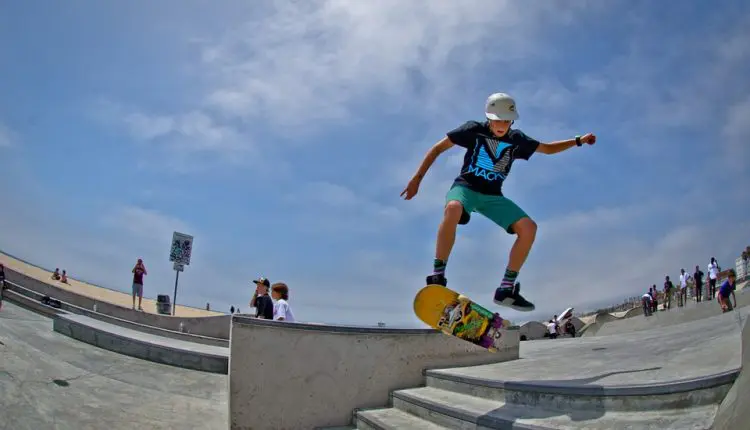
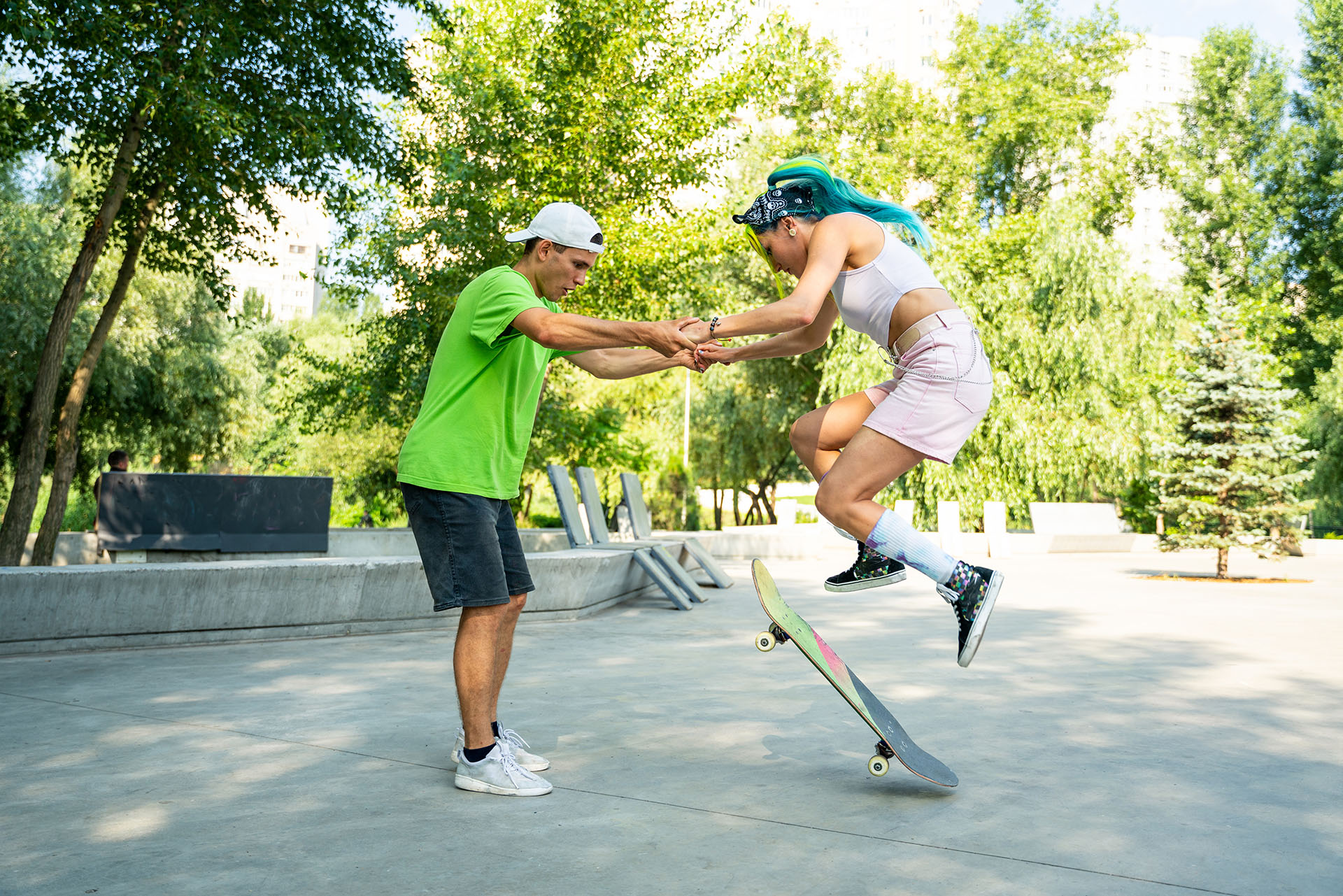
Skateboarding is a skill sport, a fitness sport, and a “problem-solving” sport all at once. You’re balancing on a moving platform, reacting fast, and repeating high-impact motions. That’s why smart training is not just about landing tricks—it’s about staying healthy long enough to keep progressing.
Injury prevention in skateboarding comes down to four big goals:
-
Learn how to fall and bail safely
-
Build strong legs and a strong, stable core
-
Train balance, coordination, and joint control
-
Recover well so you can practice consistently
Sports-medicine sources consistently point out that many skate injuries occur during falls—especially to the wrists, forearms, elbows, ankles, and head—so protective gear and safer falling habits matter a lot.
Integrative chiropractic care can support skateboarding training by improving joint motion, addressing movement imbalances from repeated stance patterns, and helping your body recover and rebuild after hard slams. It can also include exercise guidance and lifestyle support (such as nutrition, sleep, and warm-up routines) that reduce injury risk over time.
Below is a practical, training-focused guide that combines skate-specific practice, strength and conditioning, mental training, and integrative chiropractic support.
Why Skateboarders Get Hurt (and Why “Training” Is More Than Tricks)
Most beginners think progress is only about learning new tricks. In reality, progress is mostly about:
-
Repeating basics until they become automatic
-
Building endurance so you can practice longer
-
Staying calm under pressure
-
Developing good movement patterns
Injury risk climbs when you add speed, height, fatigue, or new terrain before your body is ready. A key training principle is overload: you improve when you challenge your body past what it’s used to—but you have to scale that challenge on purpose, not randomly.
Skate training works best when you combine:
-
Board time (skill + timing)
-
Strength and power (legs + core)
-
Mobility (hips/ankles/thoracic spine)
-
Recovery (sleep, nutrition, tissue care)
-
Mindset (confidence, focus, visualization)
The #1 Safety Skill: Learn How to Fall (Before You Go Bigger)
A lot of skateboarding injuries happen when people try to “save” a fall the wrong way—like reaching their hands straight out and locking their elbows. Medical and safety organizations emphasize protective gear (especially helmets and wrist guards) because falls are common and can be serious.
What “learning to fall” really means
It does not mean you’ll never get hurt. It means you reduce the force your body absorbs when you slam.
Common teaching points in skate communities include:
-
Practice falling/bailing on purpose (at low speed, in controlled settings)
-
Avoid stiff, locked-out arms
-
Don’t panic-run off the board when you can’t match the speed
-
Learn to “roll” or distribute impact when possible
Videos and coaching resources often stress that falling and dismounting skills should be practiced early, because they protect you while you build confidence and try harder tricks.
A simple “fall-training” progression (2–3x/week, 5–10 minutes)
If you have access to grass, mats, or a safe flat area:
-
Step-off drills: roll slowly, then step off and jog out (both directions)
-
Knee-bend + tuck practice: learn to soften impact by bending hips/knees
-
Low-speed bail practice: do it before you “need” to do it
-
Slide/roll practice (advanced): only if trained and in a safe environment
And always pair fall training with gear:
-
Helmet
-
Wrist guards
-
Knee and elbow pads (especially when learning ramps/transition)
The Skateboarder’s Strength Priorities: Legs + Core + Hips
Skateboarding demands repeated squats, landings, quick jumps, and rotational control. Fitness sources highlight that skateboarding heavily engages the core, quads, hamstrings, glutes, and supporting lower back muscles.
Skaters online also emphasize that leg and core strength affect stamina, balance, and control.
What strong legs do for skating
-
Better pop and snap
-
Safer landings (you absorb force instead of your joints)
-
More control when you get off-axis
-
Longer sessions before fatigue wrecks your form
What a strong core does for skating
-
Keeps your trunk stable while your hips/legs move fast
-
Improves balance during manuals, ollies, and rotations
-
Helps you “stay stacked” over the board
Balance and Coordination Training That Transfers to Tricks
Skateboarding is “dynamic balance”—balance while moving, turning, and landing. Beginner learning guides focus on stance and balance fundamentals, such as keeping your feet in a stable position.
Balance drills (10 minutes, 3–5x/week)
-
Single-leg stands (progress to eyes closed)
-
Single-leg hinge pattern (like a light Romanian deadlift motion)
-
Step-down control (slow lower, controlled knee tracking)
-
Board control basics: push, stop, carve, kickturn, pump (repeat often)
Skate coaching resources also encourage following a “roadmap” of basics before chasing harder tricks, so your foundation is stable.
Plyometrics for Skateboarding: Power Without Extra Damage
Plyometrics (jump training) can build pop, speed, and landing control—if you earn them.
SkateboardGB’s conditioning ideas include dynamic movements and jumps (like box jumps) to build lower-body power, but they also frame them inside a warm-up and structured routine.
Plyometric rules for skaters
-
Start with low volume
-
Focus on quiet landings
-
Stop if your form breaks
-
Don’t add plyos on top of already massive impact sessions
Starter plyometric set (1–2x/week)
-
Snap-down to stick landing (teach your body to absorb)
-
Small pogo hops (ankle stiffness + rhythm)
-
Skater hops (side-to-side) (lateral control)
-
Low box jump OR broad jump (only when ready)
If your knees cave in, your feet collapse, or you slam loudly—scale down.
Cardio and Endurance: The Missing Link for Many Skaters
A lot of injuries happen late in sessions, when fatigue makes your timing sloppy. Training principles sources remind us that if you want endurance for longer sessions, you need to train for it (not just do the same short sessions forever).
Simple conditioning options that support skating
-
Brisk incline walking
-
Cycling
-
Short interval workouts (like 30 seconds hard / 60 seconds easy)
Goal: show up to your session warm, alert, and less likely to make tired mistakes.
Repetition Builds Muscle Memory (and Confidence)
Skateboarding improves through repetition. That repetition builds better timing and automatic movement—so you don’t have to “think” as much when it counts.
Skate training coaches emphasize structured progression and repeated practice instead of random sessions.
A useful weekly rhythm:
-
3–4 days of skating (skill focus)
-
2–3 days strength (legs/core + balance)
-
1–2 days conditioning (short, efficient)
-
Daily mobility (5–10 minutes)
Mental Training: Visualization, Focus, and Committed Practice
Skateboarding is physical, but it’s also mental. Fear changes your movement: you stiffen up, hesitate, and fall worse.
Mental-training resources commonly teach skills like:
-
Visualization (imaging the movement before you do it)
-
Focus routines (breathing, cue words)
-
Building commitment (decide, then execute)
A quick mental routine before a hard trick
-
Breathe: slow inhale/exhale for 20–30 seconds
-
Visualize: see the trick done cleanly 3 times
-
Pick one cue: “shoulders,” “knees soft,” “look”
-
Commit: half-commit is where many slams happen
This doesn’t replace skill—but it improves consistency and reduces panic mistakes.
The “Single-Side Sport” Problem: Imbalances in Skateboarding
Many skateboarders develop a dominant stance and repeat the same motions for years. Over time, that can create strength and mobility differences from side to side.
Skate-focused training writers discuss imbalance risk and note that larger side-to-side differences may increase injury risk and limit performance.
Medical literature also connects repetitive loading and insufficient recovery with overuse injury patterns.
Signs you may have skate-related imbalances
-
One hip feels tighter
-
One ankle is stiffer
-
Your “switch” side feels weak or awkward
-
One knee caves in more on landings
-
Your lower back tightens more on one side
This is exactly where integrative chiropractic + corrective exercise can be helpful.
How Integrative Chiropractic Supports Skateboarding Training
Integrative chiropractic isn’t just “cracking backs.” Many integrative approaches include:
-
Joint mobility work (spine, hips, ankles)
-
Soft tissue therapy (tight muscles, trigger points, scar tissue)
-
Movement assessments (how you squat, hinge, land, rotate)
-
Rehab exercises (build better mechanics)
-
Prevention planning (warm-ups, recovery, training load)
This general model is described in integrative chiropractic and sports rehab resources.
Mobility and joint motion for better mechanics
Skateboarding demands motion and control—especially at the ankles, hips, and thoracic spine. Dr. Alex Jimenez’s clinical content regularly emphasizes improving movement, posture, and function with combined therapies to support musculoskeletal recovery and performance.
When joints move better, you often get:
-
Smoother squats and landings
-
Better turning mechanics
-
Less “stuck” feeling in hips/ankles
Addressing soft tissue tightness and repeated strain
Soft tissue therapy and targeted rehab exercises are commonly included in sports-focused chiropractic rehab strategies.
For skaters, that may mean working on:
-
Hip flexors and glutes
-
Calves and ankles
-
Quads/hamstrings
-
Thoracic spine stiffness
-
Forearms/wrists (especially after repeated falls)
Improving balance, coordination, and body awareness
Sports-injury rehab resources describe chiropractic care as part of a whole-body approach that can support function and proprioception (your body’s awareness in space), along with prevention education.
Faster recovery from slams (and smarter return-to-skate planning)
Dr. Jimenez’s skateboarding injury content describes chiropractic’s role in treating injuries, rehabilitating joints and muscles, and strengthening the body for return to activity.
A smart recovery plan usually includes:
-
Calm inflammation early (as appropriate)
-
Restore motion
-
Rebuild strength and control
-
Progress impact ???????? (gradually)
-
Return to full tricks only when landings are controlled again
Lifestyle guidance: warm-ups, nutrition, and prevention
Some chiropractic and sports rehab resources include lifestyle recommendations like warm-ups, recovery routines, hydration, and nutrition to support healing and training consistency.
Clinical Observations in an Integrative Model (Dr. Alexander Jimenez, DC, APRN, FNP-BC)
In Dr. Alexander Jimenez’s integrative clinical content, a consistent theme is combining joint/musculoskeletal care with broader clinical assessment—including function, movement patterns, and (when needed) deeper evaluation of symptoms that may involve the nervous system.
For skateboarders, that approach matters because a hard fall can involve more than “just soreness.” A careful evaluation may look at:
-
Pain pattern (sharp vs dull, local vs radiating)
-
Neurologic signs (numbness, weakness, reflex changes)
-
Balance and coordination changes
-
Neck symptoms after head impact
-
Functional movement tests (squat, hinge, landing control)
If you hit your head, have persistent dizziness, worsening headaches, confusion, or neurologic symptoms, that’s not a “stretch it out” situation—get medically evaluated.
A Practical 4-Week “Skate + Train” Template
Weekly schedule (example)
-
Day 1: Skate skills + short balance work
-
Day 2: Strength (legs/core) + mobility
-
Day 3: Skate skills + fall/bail drills
-
Day 4: Conditioning + mobility
-
Day 5: Strength (single-leg + core)
-
Day 6: Skate longer session (endurance)
-
Day 7: Recovery (walk, mobility, soft tissue)
Strength “A” (35–45 minutes)
-
Squat pattern (goblet squat or bodyweight)
-
Hinge pattern (Romanian deadlift pattern)
-
Split squat or lunge pattern
-
Calf raises
-
Planks + side planks
Strength “B” (35–45 minutes)
-
Step-ups or step-downs (control)
-
Single-leg hinge (light)
-
Lateral lunge or skater squat pattern
-
Glute bridge variations
-
Anti-rotation core (Pallof press style)
Daily mobility (5–10 minutes)
-
Ankles (knee-to-wall)
-
Hips (90/90 switches)
-
Thoracic spine rotation
-
Gentle hamstring + calf mobility
Use overload gradually—small increases over time beat big jumps.
Safety Reminders That Actually Prevent Big Problems
Medical and orthopedic safety guidance strongly emphasizes gear—especially helmets and wrist guards—because head and wrist injuries can be severe.
Do not ignore these red flags after a slam:
-
Head impact + confusion, vomiting, worsening headache
-
New numbness/tingling or weakness
-
Severe swelling or deformity
-
Pain that rapidly worsens over 24–48 hours
Get evaluated.
Bottom Line
Skateboarding progress is built on safe repetition. The best skaters aren’t only talented—they’re prepared. Learning how to fall, building strong legs and a stable core, improving balance, and training your mind help you skate longer, learn faster, and get hurt less often.
Integrative chiropractic care can be a valuable support tool in that process—especially for mobility, asymmetry, recovery after falls, and prevention planning—when it includes movement assessment, soft tissue care, and a clear rehab/training plan.
References
-
Effective Chiropractic Strategies for Enhancing Sports Injury Rehabilitation (Injury2Wellness, n.d.).
-
Fundamental Principles of Training for Skateboarders (The Daily Push, n.d.).
-
How to Up Your Skateboarding Game (Experience Life, 2020).
-
How to Progress Your Skateboarding (YouTube) (YouTube, n.d.).
-
How to Correctly Fall in Skateboarding (YouTube) (YouTube, n.d.).
-
How to Fall Safely and Overcome Fear in Skateboarding (YouTube) (YouTube, n.d.).
-
Imbalances & Injuries in Skateboarding (The Daily Push, n.d.).
-
Integrative Chiropractic Prevents Future Injuries for Athletes (PushAsRx, 2026).
-
Learn to Skate Guide (SkateboardGB, n.d.).
-
Skateboarding: Injury Risks & Prevention (University of Utah Health, 2024).
-
Skateboarding Injuries Chiropractor (Jimenez, n.d.).
-
Skateboarding Injury Treatment Video (Jimenez, n.d.).
-
Skateboarding Safety (American Academy of Orthopaedic Surgeons, n.d.).
-
Skate Drills and Exercises That Will Improve Your Overall Skating (Reddit) (r/NewSkaters, 2021).
-
Strength Training for Skateboarding (Red Bull, 2022).
-
Skateboarding: The Raddest Way to Stay Fit (Austin Simply Fit, 2023).
-
10 Dynamic Work-Out Exercises for Skateboarders (SkateboardGB, n.d.).
-
Traumatic Brain Injury: Understanding the Long-Term Effects (Jimenez, n.d.).
Post Disclaimers
General Disclaimer, Licenses and Board Certifications *
Professional Scope of Practice *
The information herein on "Skateboarding Training for Injury Prevention Techniques" is not intended to replace a one-on-one relationship with a qualified health care professional or licensed physician and is not medical advice. We encourage you to make healthcare decisions based on your research and partnership with a qualified healthcare professional.
Blog Information & Scope Discussions
Welcome to El Paso's Premier Wellness and Injury Care Clinic & Wellness Blog, where Dr. Alex Jimenez, DC, FNP-C, a Multi-State board-certified Family Practice Nurse Practitioner (FNP-BC) and Chiropractor (DC), presents insights on how our multidisciplinary team is dedicated to holistic healing and personalized care. Our practice aligns with evidence-based treatment protocols inspired by integrative medicine principles, similar to those on this site and on our family practice-based chiromed.com site, focusing on naturally restoring health for patients of all ages.
Our areas of multidisciplinary practice include Wellness & Nutrition, Chronic Pain, Personal Injury, Auto Accident Care, Work Injuries, Back Injury, Low Back Pain, Neck Pain, Migraine Headaches, Sports Injuries, Severe Sciatica, Scoliosis, Complex Herniated Discs, Fibromyalgia, Chronic Pain, Complex Injuries, Stress Management, Functional Medicine Treatments, and in-scope care protocols.
Our information scope is multidisciplinary, focusing on musculoskeletal and physical medicine, wellness, contributing etiological viscerosomatic disturbances within clinical presentations, associated somato-visceral reflex clinical dynamics, subluxation complexes, sensitive health issues, and functional medicine articles, topics, and discussions.
We provide and present clinical collaboration with specialists from various disciplines. Each specialist is governed by their professional scope of practice and their jurisdiction of licensure. We use functional health & wellness protocols to treat and support care for musculoskeletal injuries or disorders.
Our videos, posts, topics, and insights address clinical matters and issues that are directly or indirectly related to our clinical scope of practice.
Our office has made a reasonable effort to provide supportive citations and has identified relevant research studies that support our posts. We provide copies of supporting research studies upon request to regulatory boards and the public.
We understand that we cover matters that require an additional explanation of how they may assist in a particular care plan or treatment protocol; therefore, to discuss the subject matter above further, please feel free to ask Dr. Alex Jimenez, DC, APRN, FNP-BC, or contact us at 915-850-0900.
We are here to help you and your family.
Blessings
Dr. Alex Jimenez DC, MSACP, APRN, FNP-BC*, CCST, IFMCP, CFMP, ATN
email: [email protected]
Multidisciplinary Licensing & Board Certifications:
Licensed as a Doctor of Chiropractic (DC) in Texas & New Mexico*
Texas DC License #: TX5807, Verified: TX5807
New Mexico DC License #: NM-DC2182, Verified: NM-DC2182
Multi-State Advanced Practice Registered Nurse (APRN*) in Texas & Multi-States
Multi-state Compact APRN License by Endorsement (42 States)
Texas APRN License #: 1191402, Verified: 1191402 *
Florida APRN License #: 11043890, Verified: APRN11043890 *
Colorado License #: C-APN.0105610-C-NP, Verified: C-APN.0105610-C-NP
New York License #: N25929, Verified N25929
License Verification Link: Nursys License Verifier
* Prescriptive Authority Authorized
ANCC FNP-BC: Board Certified Nurse Practitioner*
Compact Status: Multi-State License: Authorized to Practice in 40 States*
Graduate with Honors: ICHS: MSN-FNP (Family Nurse Practitioner Program)
Degree Granted. Master's in Family Practice MSN Diploma (Cum Laude)
Dr. Alex Jimenez, DC, APRN, FNP-BC*, CFMP, IFMCP, ATN, CCST
My Digital Business Card
Licenses and Board Certifications:
DC: Doctor of Chiropractic
APRNP: Advanced Practice Registered Nurse
FNP-BC: Family Practice Specialization (Multi-State Board Certified)
RN: Registered Nurse (Multi-State Compact License)
CFMP: Certified Functional Medicine Provider
MSN-FNP: Master of Science in Family Practice Medicine
MSACP: Master of Science in Advanced Clinical Practice
IFMCP: Institute of Functional Medicine
CCST: Certified Chiropractic Spinal Trauma
ATN: Advanced Translational Neutrogenomics
Memberships & Associations:
TCA: Texas Chiropractic Association: Member ID: 104311
AANP: American Association of Nurse Practitioners: Member ID: 2198960
ANA: American Nurse Association: Member ID: 06458222 (District TX01)
TNA: Texas Nurse Association: Member ID: 06458222
NPI: 1205907805
| Primary Taxonomy | Selected Taxonomy | State | License Number |
|---|---|---|---|
| No | 111N00000X - Chiropractor | NM | DC2182 |
| Yes | 111N00000X - Chiropractor | TX | DC5807 |
| Yes | 363LF0000X - Nurse Practitioner - Family | TX | 1191402 |
| Yes | 363LF0000X - Nurse Practitioner - Family | FL | 11043890 |
| Yes | 363LF0000X - Nurse Practitioner - Family | CO | C-APN.0105610-C-NP |
| Yes | 363LF0000X - Nurse Practitioner - Family | NY | N25929 |
Dr. Alex Jimenez, DC, APRN, FNP-BC*, CFMP, IFMCP, ATN, CCST
My Digital Business Card





Comments are closed.