
Squats and Core Exercises for Hip Pain Management
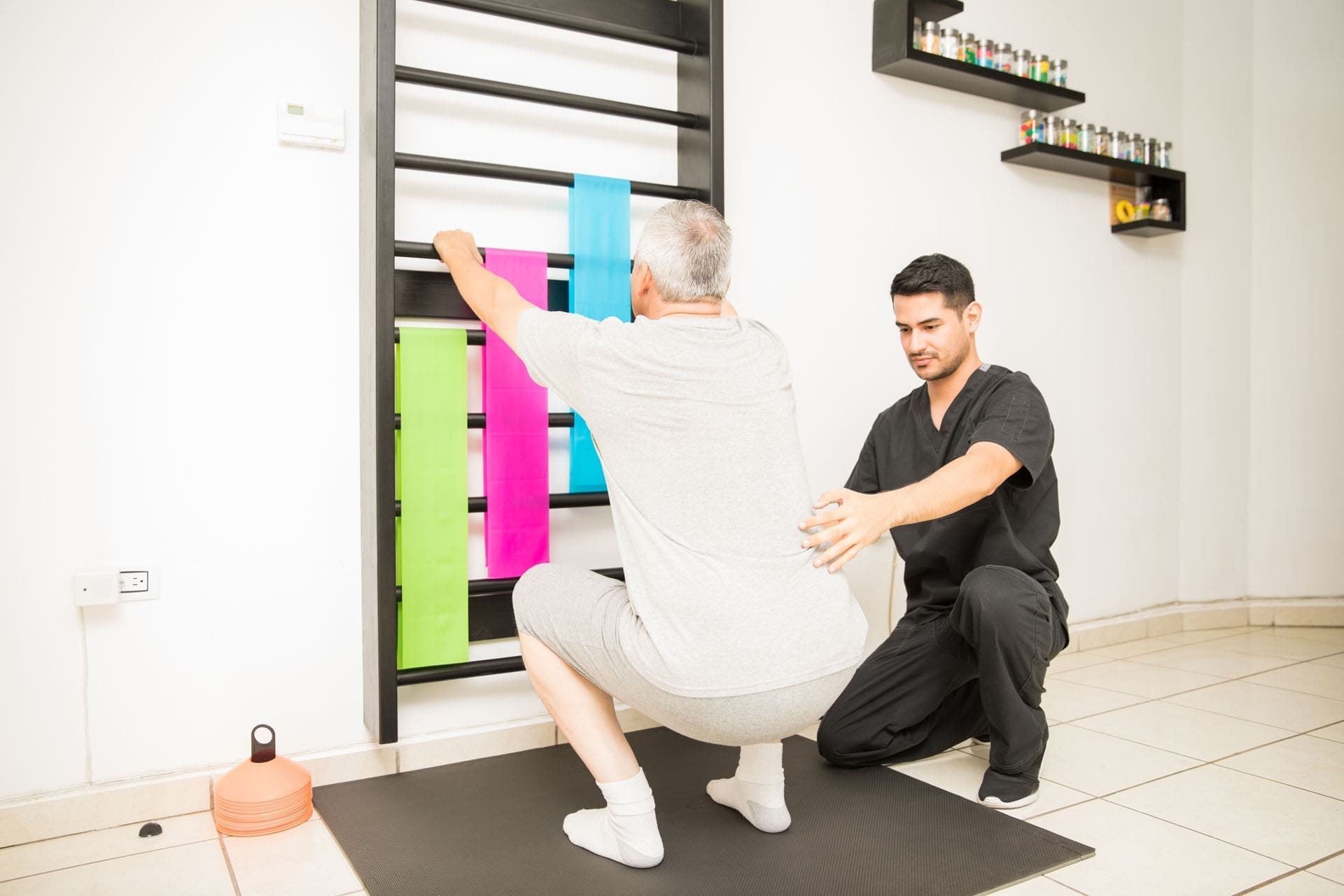
Squats and Core Exercises for Lower Back and Hip Pain: An Integrative, Evidence-Based Approach
Lower back and hip pain are extremely common problems. Many people feel discomfort when sitting too long, lifting objects, exercising, or even walking. Muscle strains, poor posture, weak core muscles, tight hips, and spinal instability often work together to create pain. Research and clinical experience show that properly performed squats and core exercises can play a powerful role in reducing these issues when used correctly and combined with professional care.
This article explains how squats and core exercises help, when they may not be enough, and why an integrative approach with a chiropractor or nurse practitioner often works best. The information is written clearly and practically, without focusing on students or classrooms.
Understanding Lower Back and Hip Pain
Lower back and hip pain are rarely caused by just one problem. Most cases involve a combination of:
-
Weak core stabilizer muscles
-
Tight hip flexors and glute muscles
-
Poor posture and movement patterns
-
Lumbar (lower spine) instability
-
Joint stiffness or misalignment
When these issues are present, the lower back often works harder than it should. Over time, this overload leads to pain, stiffness, and limited movement (Healthline, 2020).
Common symptoms include:
-
Achy or sharp lower back pain
-
Hip tightness or pinching
-
Pain when squatting, bending, or standing up
-
Mild sciatica symptoms (buttock or leg discomfort)
-
Fatigue or weakness in the core
Why Squats Matter for Back and Hip Health
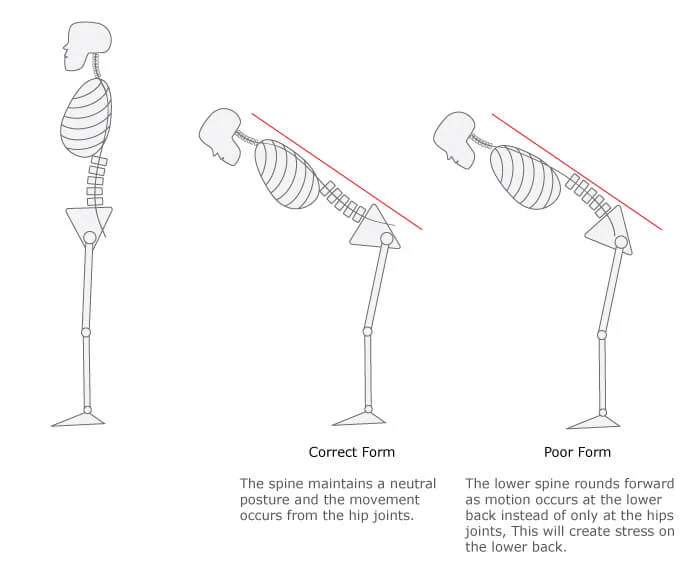
How Squats Help
Squats support lower back and hip health by:
-
Strengthening the glutes, hips, and thighs
-
Teaching proper hip hinge mechanics
-
Reducing strain on the lumbar spine
-
Improving posture and balance
-
Enhancing joint coordination
Studies show that engaging the hips and core during squatting reduces stress on the lower back, especially in people with movement-related pain (Redefine Your Pain, n.d.; HSS, n.d.).
Squats Improve Load Distribution
When the hips and glutes are weak or tight, the lower back compensates. Proper squats:
-
Shift force away from the spine
-
Allow hips to absorb movement stress
-
Improve alignment during daily tasks
This is why many clinicians recommend squats as part of rehabilitation for chronic low back pain (Carter PT, n.d.).
The Role of Core Muscles in Spinal Stability
The “core” is more than just abdominal muscles. It includes:
-
Deep abdominal muscles
-
Back stabilizers
-
Pelvic floor muscles
-
Diaphragm
Together, these muscles protect the spine during movement.
Benefits of Core Strengthening
Strong core muscles:
-
Stabilize the spine during activity
-
Reduce excessive spinal motion
-
Improve posture and breathing
-
Lower the risk of reinjury
Research shows that core stabilization exercises (CSE) improve spinal control and reduce nonspecific low back pain in adults (PMC, 2022).
Why Squats and Core Exercises Work Together
Squats and core exercises are most effective when combined.
They work together to:
-
Keep the spine neutral
-
Support the hips during movement
-
Prevent excessive forward or backward bending
-
Improve coordination between muscles
When the core is engaged, the spine stays stable while the hips do the work. This is critical for reducing back strain (Harvard Health, 2011).
Common Causes of Pain During Squats
Pain during squats does not always mean they are bad. It often means something needs correction.
Frequent Problems include:
-
Tight hip flexors or glutes
-
Poor ankle mobility
-
Weak core muscles
-
Loss of neutral spine
-
Poor squat depth or control
If these issues are not addressed, squats can increase discomfort rather than reduce it (Squat University, 2017; Movement Solutions, n.d.).
Signs You Need Professional Evaluation
Exercise should not cause sharp or worsening pain. You should stop and seek care if you experience:
-
Numbness or tingling in the legs
-
Muscle weakness
-
Pain radiating down the leg
-
Loss of bladder or bowel control
-
Pain that does not improve with rest
These symptoms may indicate nerve involvement or a more serious condition (Hinge Health, n.d.).
Sciatica, Hip Pain, and Core Weakness
Mild sciatica is often related to poor spinal support and hip dysfunction.
Core and hip strengthening can help by:
-
Reducing nerve compression
-
Improving pelvic alignment
-
Decreasing muscle tension
Strengthening the core and hips has been shown to support sciatica recovery when combined with professional care (Pecan Country Chiropractic, n.d.).
The Importance of Proper Technique
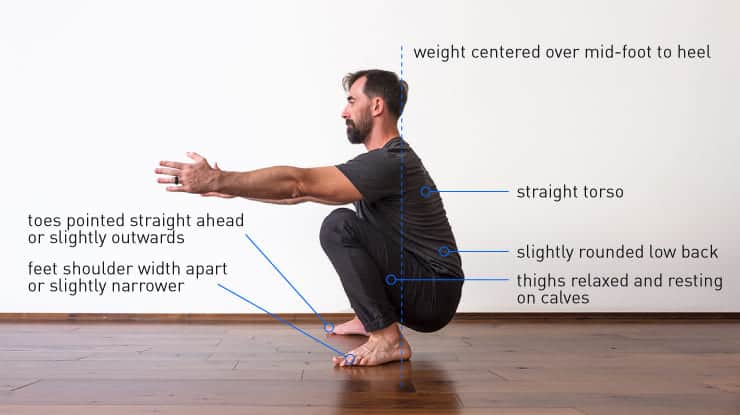
Correct form is critical. Effective squats and core exercises require:
-
Neutral spine
-
Engaged core muscles
-
Controlled movement
-
Hip-dominant motion
Poor form increases stress on the lower back and hips (Orthopedic Institute SF, n.d.).
Key Technique Tips
-
Keep chest upright
-
Brace your core gently before moving
-
Push through the heels
-
Avoid rounding the lower back
-
Move within a pain-free range
Integrative Care: Why Exercise Alone Is Not Always Enough
Exercise is powerful, but it does not fix everything on its own.
An integrative approach combines:
-
Targeted exercises
-
Chiropractic adjustments
-
Nurse practitioner evaluation
-
Movement correction
-
Lifestyle and posture guidance
This approach addresses both symptoms and root causes.
Clinical Observations from Dr. Alexander Jimenez
According to clinical observations shared by Dr. Alexander Jimenez, DC, APRN, FNP-BC, many patients with lower back and hip pain show:
-
Muscle imbalances between the hips and the spine
-
Joint dysfunction limiting movement
-
Weak core stabilizers
-
Compensatory movement patterns
Dr. Jimenez emphasizes that when exercises are paired with proper spinal alignment and medical evaluation, patients often experience faster and longer-lasting improvement (Jimenez, n.d.).
How Chiropractors and Nurse Practitioners Work Together
Chiropractors and nurse practitioners often collaborate to:
-
Restore joint alignment
-
Reduce inflammation and pain
-
Evaluate nerve involvement
-
Guide safe exercise progression
-
Monitor recovery
Research supports integrative care as a way to improve pain outcomes while reducing reliance on medication (Duke Health, n.d.; West Texas Chiropractic, n.d.).
Short-Term and Long-Term Benefits
Short-Term Relief
-
Reduced pain and stiffness
-
Improved movement confidence
-
Better posture
Long-Term Benefits
-
Increased strength and stability
-
Reduced injury recurrence
-
Improved mobility and performance
This combination makes squats and core exercises effective for both rehabilitation and prevention.
When to Start an Exercise Program
Before beginning any exercise program, especially after injury, consult a:
-
Chiropractor
-
Nurse practitioner
-
Physical therapist
-
Medical provider
Professional guidance ensures exercises match your condition and ability level (Cary Ortho, n.d.).
Key Takeaways
-
Squats and core exercises support back and hip health
-
Proper form is essential
-
Pain during exercise is a warning sign
-
Integrative care improves outcomes
-
Professional evaluation ensures safety
References
Healthline. (2020). Lower back pain when squatting. https://www.healthline.com/health/back-pain/lower-back-pain-when-squatting
Redefine Your Pain. (n.d.). Does squatting help or hurt lower back pain? https://redefineyourpain.com/does-squatting-help-or-hurt-lower-back-pain/
Orthopedic Institute of San Francisco. (n.d.). Prevent back pain during exercise. https://orthopedicinstitutesf.com/5-ways-to-prevent-back-pain-during-exercise-or-everyday-activities-according-to-experts/
Carter Physical Therapy. (n.d.). Lower back pain when squatting. https://carterpt.com/blog/lower-back-pain-when-squatting
Hinge Health. (n.d.). Hip pain when squatting. https://www.hingehealth.com/resources/articles/hip-pain-when-squatting/
Cary Orthopaedics. (n.d.). Reduce low back pain. https://caryortho.com/reduce-low-back-pain/
Hospital for Special Surgery. (n.d.). Back pain after squats. https://www.hss.edu/health-library/move-better/back-pain-after-squats
Harvard Health Publishing. (2011). Strengthening your core the right way. https://www.health.harvard.edu/blog/strengthening-your-core-right-and-wrong-ways-to-do-lunges-squats-and-planks-201106292810
PMC. (2022). Core stabilization exercises and low back pain. https://pmc.ncbi.nlm.nih.gov/articles/PMC9340836/
Pecan Country Chiropractic. (n.d.). Core and hip strengthening for sciatica. https://www.pecancountrychiropractic.com/how-strengthening-core-a-hips-helps-alleviate-sciatica
Duke Health. (n.d.). Improving pain management through integrative care. https://physicians.dukehealth.org/articles/improving-pain-management-through-integrative-care-options
Jimenez, A. (n.d.). Clinical insights. https://dralexjimenez.com/
Post Disclaimers
General Disclaimer, Licenses and Board Certifications *
Professional Scope of Practice *
The information herein on "Squats and Core Exercises for Hip Pain Management" is not intended to replace a one-on-one relationship with a qualified health care professional or licensed physician and is not medical advice. We encourage you to make healthcare decisions based on your research and partnership with a qualified healthcare professional.
Blog Information & Scope Discussions
Welcome to El Paso's Premier Wellness and Injury Care Clinic & Wellness Blog, where Dr. Alex Jimenez, DC, FNP-C, a Multi-State board-certified Family Practice Nurse Practitioner (FNP-BC) and Chiropractor (DC), presents insights on how our multidisciplinary team is dedicated to holistic healing and personalized care. Our practice aligns with evidence-based treatment protocols inspired by integrative medicine principles, similar to those on this site and on our family practice-based chiromed.com site, focusing on naturally restoring health for patients of all ages.
Our areas of multidisciplinary practice include Wellness & Nutrition, Chronic Pain, Personal Injury, Auto Accident Care, Work Injuries, Back Injury, Low Back Pain, Neck Pain, Migraine Headaches, Sports Injuries, Severe Sciatica, Scoliosis, Complex Herniated Discs, Fibromyalgia, Chronic Pain, Complex Injuries, Stress Management, Functional Medicine Treatments, and in-scope care protocols.
Our information scope is multidisciplinary, focusing on musculoskeletal and physical medicine, wellness, contributing etiological viscerosomatic disturbances within clinical presentations, associated somato-visceral reflex clinical dynamics, subluxation complexes, sensitive health issues, and functional medicine articles, topics, and discussions.
We provide and present clinical collaboration with specialists from various disciplines. Each specialist is governed by their professional scope of practice and their jurisdiction of licensure. We use functional health & wellness protocols to treat and support care for musculoskeletal injuries or disorders.
Our videos, posts, topics, and insights address clinical matters and issues that are directly or indirectly related to our clinical scope of practice.
Our office has made a reasonable effort to provide supportive citations and has identified relevant research studies that support our posts. We provide copies of supporting research studies upon request to regulatory boards and the public.
We understand that we cover matters that require an additional explanation of how they may assist in a particular care plan or treatment protocol; therefore, to discuss the subject matter above further, please feel free to ask Dr. Alex Jimenez, DC, APRN, FNP-BC, or contact us at 915-850-0900.
We are here to help you and your family.
Blessings
Dr. Alex Jimenez DC, MSACP, APRN, FNP-BC*, CCST, IFMCP, CFMP, ATN
email: [email protected]
Multidisciplinary Licensing & Board Certifications:
Licensed as a Doctor of Chiropractic (DC) in Texas & New Mexico*
Texas DC License #: TX5807, Verified: TX5807
New Mexico DC License #: NM-DC2182, Verified: NM-DC2182
Multi-State Advanced Practice Registered Nurse (APRN*) in Texas & Multi-States
Multi-state Compact APRN License by Endorsement (42 States)
Texas APRN License #: 1191402, Verified: 1191402 *
Florida APRN License #: 11043890, Verified: APRN11043890 *
Colorado License #: C-APN.0105610-C-NP, Verified: C-APN.0105610-C-NP
New York License #: N25929, Verified N25929
License Verification Link: Nursys License Verifier
* Prescriptive Authority Authorized
ANCC FNP-BC: Board Certified Nurse Practitioner*
Compact Status: Multi-State License: Authorized to Practice in 40 States*
Graduate with Honors: ICHS: MSN-FNP (Family Nurse Practitioner Program)
Degree Granted. Master's in Family Practice MSN Diploma (Cum Laude)
Dr. Alex Jimenez, DC, APRN, FNP-BC*, CFMP, IFMCP, ATN, CCST
My Digital Business Card
Licenses and Board Certifications:
DC: Doctor of Chiropractic
APRNP: Advanced Practice Registered Nurse
FNP-BC: Family Practice Specialization (Multi-State Board Certified)
RN: Registered Nurse (Multi-State Compact License)
CFMP: Certified Functional Medicine Provider
MSN-FNP: Master of Science in Family Practice Medicine
MSACP: Master of Science in Advanced Clinical Practice
IFMCP: Institute of Functional Medicine
CCST: Certified Chiropractic Spinal Trauma
ATN: Advanced Translational Neutrogenomics
Memberships & Associations:
TCA: Texas Chiropractic Association: Member ID: 104311
AANP: American Association of Nurse Practitioners: Member ID: 2198960
ANA: American Nurse Association: Member ID: 06458222 (District TX01)
TNA: Texas Nurse Association: Member ID: 06458222
NPI: 1205907805
| Primary Taxonomy | Selected Taxonomy | State | License Number |
|---|---|---|---|
| No | 111N00000X - Chiropractor | NM | DC2182 |
| Yes | 111N00000X - Chiropractor | TX | DC5807 |
| Yes | 363LF0000X - Nurse Practitioner - Family | TX | 1191402 |
| Yes | 363LF0000X - Nurse Practitioner - Family | FL | 11043890 |
| Yes | 363LF0000X - Nurse Practitioner - Family | CO | C-APN.0105610-C-NP |
| Yes | 363LF0000X - Nurse Practitioner - Family | NY | N25929 |
Dr. Alex Jimenez, DC, APRN, FNP-BC*, CFMP, IFMCP, ATN, CCST
My Digital Business Card





Comments are closed.