

Overtraining the Core Injury Risks and Prevention Strategies
Overtraining the Core in Real Life: Injury Risks, Claim-Ready Care, and Safer Comebacks

Why this matters for personal injury patients
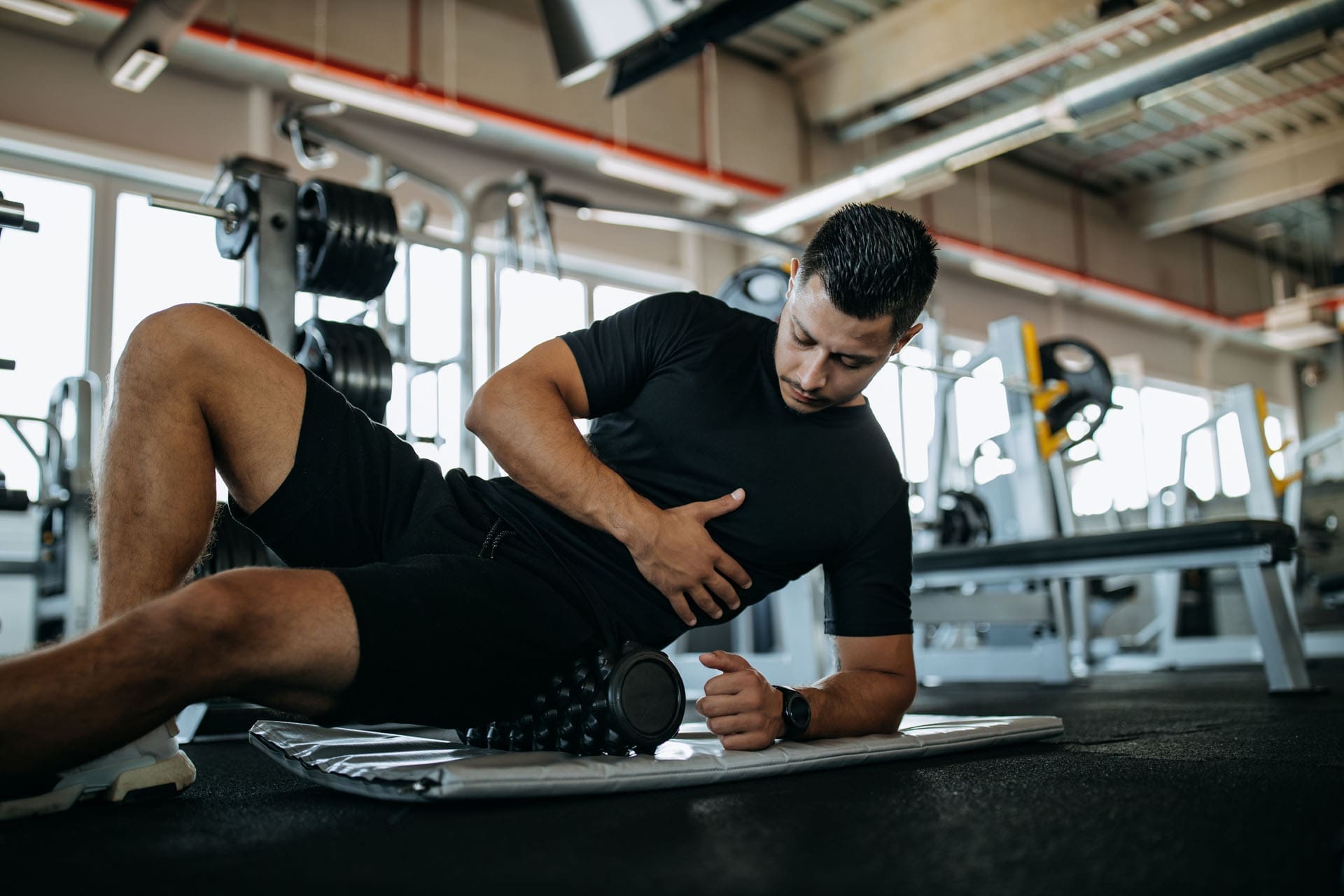
Pushing “abs” work too hard—or repeating the same core drills without enough rest—can cause strains in the groin, abdomen, and hip flexors, and even rib stress fractures. Over time, the body compensates, adding tight hamstrings, a tight IT band, and weak stabilizers. For anyone dealing with a work injury, crash, or sports incident, these problems can slow recovery, complicate job duties, and affect legal outcomes. A plan that treats pain and documents findings clearly is essential. (Cleveland Clinic, n.d.; Herlong Sports PT, n.d.; Vincera Institute, n.d.; PhysioAdvisor, 2022). PhysioAdvisor+3Cleveland Clinic+3Herlong+3
What “the core” actually includes
Your core is a 360° system: diaphragm on top, pelvic floor on bottom, deep abdominals in front, spinal muscles in back, and the hip complex (glutes, adductors, and hip flexors) at the sides. Together, they stabilize the spine and pelvis so arms and legs can move safely. When training volume or intensity outpaces recovery, small tissue injuries build up and eventually become painful overuse injuries. (Boston Children’s Hospital, n.d.; Cleveland Clinic, n.d.). Boston Children’s Hospital+1
How core overtraining happens (and how to recognize it)
Typical patterns
-
Load spikes: Large jumps in weekly sets/reps or adding heavy core drills too fast.
-
Monotony: Repeating the same movements that hammer the same tendons and rib attachments.
-
Under-recovery: Poor sleep, stress, or inadequate rest days.
-
Technique gaps: Poor form shifts load to hip flexors, adductors, or ribs.
Warning signs
Persistent soreness lasting more than 72 hours, fatigue, performance drop, sleep trouble, and getting sick more often all point to overtraining. (Cleveland Clinic, n.d.; Healthspan Elite, 2024; Tonal, 2023). Cleveland Clinic+2PubMed+2
The injuries we see most from overtraining the core
1) Groin (adductor) strains and “core muscle injury” patterns
Repetitive trunk twisting, sprinting, or cutting can overload the adductors and lower abdominals where they attach near the pubic bone. Pain is often sharp with cutting or quick direction changes; coughing or sit-ups may also hurt. (Herlong Sports PT, n.d.; Vincera Institute, n.d.; Elattar et al., 2016). Herlong+2vincerainstitute.com+2
2) Hip flexor strain and tendinitis
When deep stabilizers and glutes are weak or fatigued, hip flexors try to stabilize and move—an overload that irritates the tendon. Front-hip pain with running, kicking, or leg-raise drills is common. (DISC Sports & Spine Center, n.d.). Cleveland Clinic
3) Abdominal wall strains
High-rep sit-ups, heavy rotation, or poorly controlled breathing/bracing can strain the rectus abdominis or the obliques. Expect tenderness, pain with coughing or rolling in bed, and loss of force in trunk flexion. (Cleveland Clinic—Muscle Strains, n.d.). Cleveland Clinic
4) Rib stress reactions and stress fractures
Rowers, throwers, and anyone doing repeated trunk flexion/rotation can overload the ribs. Early on, pain is focal and worse with deep breathing, coughing, rowing, or twisting. Without load control and rest, it can progress to a stress fracture. (Better Health Channel, n.d.; PhysioAdvisor, 2022; PhysioWorks, 2024). Better Health Channel+2PhysioAdvisor+2
5) System-wide effects (tight hamstrings, tight IT band, weak stabilizers)
An overtaxed core changes how you move. Hip flexors and TFL/IT band may tighten; glutes are under fire; hamstrings feel rope-tight. The pelvis tips forward, increasing lumbar strain and perpetuating the cycle. (Pelvic Exercises, n.d.). Pelvic Exercises
Red flags—seek care now: Focal rib pain that worsens with breathing/coughing, a “pop” in the groin/abdomen, night pain, visible swelling, or pain that persists >2–3 weeks despite rest. (PhysioAdvisor, 2022; Cleveland Clinic—Muscle Strains, n.d.). PhysioAdvisor+1
Evidence snapshot: what the research says
-
Overuse/overtraining is linked to stress fractures, tendinopathy, and performance decline; planning rest and varying training helps prevent problems. (Aicale et al., 2018; Meeusen et al., 2013). PMC+1
-
Biomechanics (e.g., motion capture, gait analysis) can guide individualized rehab and reduce abnormal joint and rib loads. (Madzar et al., 2023). PMC
-
Youth and specialized athletes face higher overuse risks; load management and skill variety matter. (Boston Children’s Hospital, n.d.). Boston Children’s Hospital
Claim-ready evaluation
Our network focuses on clear diagnosis, functional recovery, and documentation that stands up to adjuster and attorney review.
1) History & exam (objective and reproducible)
-
Detailed mechanism (work task, crash details, practice volume).
-
Pain map and aggravators (breathing, coughing, twisting, cutting).
-
Strength, flexibility, and provocation tests for adductors, hip flexors, abdominal wall, and ribs.
-
Functional baselines: plank time, hip abduction strength, single-leg stance, return-to-work tasks. (Cleveland Clinic—Sports Injuries, 2024). Cleveland Clinic
2) Imaging when indicated
-
Ribs: X-ray may be negative early; MRI or bone scan can confirm stress injury.
-
Soft tissue: Ultrasound or MRI for suspected tears or non-resolving strains. (PhysioAdvisor, 2022; PhysioWorks, 2024). PhysioAdvisor+1
3) Differential diagnosis
-
Distinguish adductor strain vs. sports-hernia pattern vs. hip-flexor tendinopathy vs. thoracic/rib involvement. (Elattar et al., 2016; Vincera Institute, n.d.). PMC+1
4) Documentation for claims
-
Timelines, objective findings, validated scales (pain, function), work restrictions, and return-to-work (RTW) plans aligned to healing timelines.
-
Causation discussion (mechanism consistent with injury), response to care, and impairment considerations when applicable. (Boston Children’s Hospital—Overuse PDF, n.d.). Boston Children’s Hospital
Treatment that treats pain and causes: integrative chiropractic care
Personal Injury Doctor Group clinics use a multimodal approach:
-
Spinal and rib mobilization/manipulation (when appropriate): Restores motion and reduces protective muscle guarding in the spine and thorax. (Integrative Chiropractic & Wellness, 2024). Integrative Chiropractic
-
Soft-tissue therapy: Myofascial and instrument-assisted techniques to calm hot spots in adductors, hip flexors, and abdominal wall. (Integrated Medical Center of Corona, 2024). Integrated Medical Centers
-
Rehabilitation (graded): Motor control ? strength ? power and return-to-task. Focus on anti-rotation/anti-extension drills, adductor/hip-flexor eccentric exercises, and glute/posterior-chain strength to ensure the core shares the load properly. (Integrative Chiropractic & Wellness, 2024; Aicale et al., 2018). Integrative Chiropractic+1
-
Load management: Week-to-week dose control to avoid re-injury, with scheduled deloads and objective re-tests. (Cleveland Clinic—Overtraining; Healthspan Elite, 2024). Cleveland Clinic+1
Sample phased plan (your plan is individualized)
Phase 1: Calm and protect (1–2 weeks)
-
Reduce or pause pain-provoking drills (e.g., hanging leg raises, high-volume rotation).
-
Breathing drills, gentle thoracic mobility, and isometric adductor/hip-flexor work.
-
Light cardio (walking, cycling) if pain-free. (Boston Children’s Hospital; Cleveland Clinic—Overtraining). Boston Children’s Hospital+1
Phase 2: Restore motion and balance (2–4 weeks)
-
Anti-extension (dead bugs), anti-rotation (Pallof press), and side-bridge progressions.
-
Glute bridging/abduction, hip hinge patterning, and gradual adductor eccentrics. (Elattar et al., 2016). PMC
Phase 3: Build capacity (4–8+ weeks)
-
Copenhagen progressions (groin), controlled leg raise progressions (hip flexors), and loaded carries.
-
Return-to-work and return-to-sport drills that mirror job tasks or position demands are essential. (Cleveland Clinic—Sports Injuries, 2024). Cleveland Clinic
Phase 4: Return + prevention
-
Step-wise increases in total weekly “core load”; technique updates for lifting, rowing, throwing, or job-specific tasks.
-
Sleep/recovery targets; vary training to prevent one-area overload. (Healthspan Elite, 2024; Muscle & Motion, n.d.). PubMed+1
Special focus: rib stress injuries (rowers, throwers, overhead workers)
Rib stress injuries often start as a stress reaction and progress with continued loading. Signs include pinpoint rib pain, worse with deep breaths, twisting, rowing strokes, or lying on the side. Imaging may be needed if symptoms persist. Early modification and technique coaching shorten recovery and reduce relapse. (Better Health Channel, n.d.; PhysioAdvisor, 2022; PhysioWorks, 2024). Better Health Channel+2PhysioAdvisor+2
For adjusters and attorneys: what you can expect in our reports
-
Clear diagnosis linked to the mechanism of injury.
-
Objective testing (strength, range, and endurance) with baseline and follow-ups.
-
Imaging rationale and results (when obtained).
-
Evidence-based plan with timelines, work restrictions, and progression criteria.
-
Functional outcomes tied to job demands (lifting, reaching, carrying, and standing).
-
Prognosis and prevention steps to reduce the risk of re-injury. (Boston Children’s Hospital—Overuse PDF; Cleveland Clinic—Sports Injuries, 2024). Boston Children’s Hospital+1
Prevention playbook: train hard, avoid setbacks
-
Control weekly spikes. Small, steady increases beat big jumps.
-
Vary your core menu. Mix anti-rotation, anti-extension, and hip/glute work.
-
Breathe well. Diaphragm-led bracing reduces rib and abdominal strain.
-
Sleep and deload. Recovery is part of training.
-
Technique checks. Use coaching or video for rowing, throwing, or heavy lifts. (Aicale et al., 2018; Madzar et al., 2023; Healthspan Elite, 2024; Better Health Channel, n.d.). Better Health Channel+3PMC+3PMC+3
Quick FAQs
Is lingering “ab day” pain normal?
Short-lived soreness is normal. Pain that persists, spreads, or worsens—especially with breathing or coughing—needs an evaluation. (Cleveland Clinic—Overtraining; PhysioAdvisor, 2022). Cleveland Clinic+1
Do rib stress fractures always show on X-ray?
Not early. MRI or bone scan is often more sensitive when symptoms and exam point to a rib stress injury. (PhysioWorks, 2024). PhysioWorks!
Can I train through a groin strain?
Usually not. Loading through pain can turn a minor strain into a chronic issue. Early load control plus graded rehab speeds return. (Elattar et al., 2016). PMC
Bottom line
Overtraining the core doesn’t just hurt—you can document it, treat it, and prevent it. Personal Injury Doctor Group clinics combine integrative chiropractic care, targeted rehab, and claim-ready reporting so you can move safely, return to work, and reduce the chance of a repeat injury. (Integrative Chiropractic & Wellness, 2024; Cleveland Clinic—Sports Injuries, 2024). Integrative Chiropractic+1
References
-
Aicale, R., Tarantino, D., & Maffulli, N. (2018). Overuse injuries in sport: A comprehensive overview. Orthopedic Reviews, 10(3). PMC
-
Better Health Channel. (n.d.). Rowing—preventing injury. Better Health Channel
-
Boston Children’s Hospital. (n.d.). Overuse injuries. Boston Children’s Hospital
-
Boston Children’s Hospital. (n.d.). Injury prevention—Overuse (PDF). Boston Children’s Hospital
-
Cleveland Clinic. (n.d.). Overtraining syndrome: Symptoms, causes & treatment. Cleveland Clinic
-
Cleveland Clinic. (n.d.). Sports injuries: Types, symptoms, causes & treatment. Cleveland Clinic
-
Cleveland Clinic. (n.d.). Muscle strains: Causes, symptoms, treatment & recovery. Cleveland Clinic
-
Elattar, O., Choi, H. R., Dills, V. D., & Busconi, B. D. (2016). Groin injuries (athletic pubalgia) and return to play. Sports Health, 8(4), 313–323. PMC
-
Integrative Chiropractic & Wellness. (2024). The power of rehabilitation in chiropractic care. Integrative Chiropractic
-
Integrated Medical Center of Corona. (2024). Health journal—February 2024. Integrated Medical Centers
-
Madzar, T., et al. (2023). Overtraining syndrome as a risk factor for bone stress injuries. Frontiers in Bioengineering and Biotechnology, 11. PMC
-
PelvicExercises.com.au. (n.d.). Pelvic floor-safe core exercises. Pelvic Exercises
-
PhysioAdvisor. (2022, March 30). Rib stress fracture. PhysioAdvisor
-
PhysioWorks. (2024, December 3). Rib stress fracture—Condition overview & treatment. PhysioWorks!
-
Vincera Institute. (n.d.). Common sports injuries of the core. vincerainstitute.com
Post Disclaimers
General Disclaimer, Licenses and Board Certifications *
Professional Scope of Practice *
The information herein on "Overtraining the Core Injury Risks and Prevention Strategies" is not intended to replace a one-on-one relationship with a qualified health care professional or licensed physician and is not medical advice. We encourage you to make healthcare decisions based on your research and partnership with a qualified healthcare professional.
Blog Information & Scope Discussions
Welcome to El Paso's Premier Wellness and Injury Care Clinic & Wellness Blog, where Dr. Alex Jimenez, DC, FNP-C, a Multi-State board-certified Family Practice Nurse Practitioner (FNP-BC) and Chiropractor (DC), presents insights on how our multidisciplinary team is dedicated to holistic healing and personalized care. Our practice aligns with evidence-based treatment protocols inspired by integrative medicine principles, similar to those on this site and on our family practice-based chiromed.com site, focusing on naturally restoring health for patients of all ages.
Our areas of multidisciplinary practice include Wellness & Nutrition, Chronic Pain, Personal Injury, Auto Accident Care, Work Injuries, Back Injury, Low Back Pain, Neck Pain, Migraine Headaches, Sports Injuries, Severe Sciatica, Scoliosis, Complex Herniated Discs, Fibromyalgia, Chronic Pain, Complex Injuries, Stress Management, Functional Medicine Treatments, and in-scope care protocols.
Our information scope is multidisciplinary, focusing on musculoskeletal and physical medicine, wellness, contributing etiological viscerosomatic disturbances within clinical presentations, associated somato-visceral reflex clinical dynamics, subluxation complexes, sensitive health issues, and functional medicine articles, topics, and discussions.
We provide and present clinical collaboration with specialists from various disciplines. Each specialist is governed by their professional scope of practice and their jurisdiction of licensure. We use functional health & wellness protocols to treat and support care for musculoskeletal injuries or disorders.
Our videos, posts, topics, and insights address clinical matters and issues that are directly or indirectly related to our clinical scope of practice.
Our office has made a reasonable effort to provide supportive citations and has identified relevant research studies that support our posts. We provide copies of supporting research studies upon request to regulatory boards and the public.
We understand that we cover matters that require an additional explanation of how they may assist in a particular care plan or treatment protocol; therefore, to discuss the subject matter above further, please feel free to ask Dr. Alex Jimenez, DC, APRN, FNP-BC, or contact us at 915-850-0900.
We are here to help you and your family.
Blessings
Dr. Alex Jimenez DC, MSACP, APRN, FNP-BC*, CCST, IFMCP, CFMP, ATN
email: [email protected]
Multidisciplinary Licensing & Board Certifications:
Licensed as a Doctor of Chiropractic (DC) in Texas & New Mexico*
Texas DC License #: TX5807, Verified: TX5807
New Mexico DC License #: NM-DC2182, Verified: NM-DC2182
Multi-State Advanced Practice Registered Nurse (APRN*) in Texas & Multi-States
Multi-state Compact APRN License by Endorsement (42 States)
Texas APRN License #: 1191402, Verified: 1191402 *
Florida APRN License #: 11043890, Verified: APRN11043890 *
Colorado License #: C-APN.0105610-C-NP, Verified: C-APN.0105610-C-NP
New York License #: N25929, Verified N25929
License Verification Link: Nursys License Verifier
* Prescriptive Authority Authorized
ANCC FNP-BC: Board Certified Nurse Practitioner*
Compact Status: Multi-State License: Authorized to Practice in 40 States*
Graduate with Honors: ICHS: MSN-FNP (Family Nurse Practitioner Program)
Degree Granted. Master's in Family Practice MSN Diploma (Cum Laude)
Dr. Alex Jimenez, DC, APRN, FNP-BC*, CFMP, IFMCP, ATN, CCST
My Digital Business Card
Licenses and Board Certifications:
DC: Doctor of Chiropractic
APRNP: Advanced Practice Registered Nurse
FNP-BC: Family Practice Specialization (Multi-State Board Certified)
RN: Registered Nurse (Multi-State Compact License)
CFMP: Certified Functional Medicine Provider
MSN-FNP: Master of Science in Family Practice Medicine
MSACP: Master of Science in Advanced Clinical Practice
IFMCP: Institute of Functional Medicine
CCST: Certified Chiropractic Spinal Trauma
ATN: Advanced Translational Neutrogenomics
Memberships & Associations:
TCA: Texas Chiropractic Association: Member ID: 104311
AANP: American Association of Nurse Practitioners: Member ID: 2198960
ANA: American Nurse Association: Member ID: 06458222 (District TX01)
TNA: Texas Nurse Association: Member ID: 06458222
NPI: 1205907805
| Primary Taxonomy | Selected Taxonomy | State | License Number |
|---|---|---|---|
| No | 111N00000X - Chiropractor | NM | DC2182 |
| Yes | 111N00000X - Chiropractor | TX | DC5807 |
| Yes | 363LF0000X - Nurse Practitioner - Family | TX | 1191402 |
| Yes | 363LF0000X - Nurse Practitioner - Family | FL | 11043890 |
| Yes | 363LF0000X - Nurse Practitioner - Family | CO | C-APN.0105610-C-NP |
| Yes | 363LF0000X - Nurse Practitioner - Family | NY | N25929 |
Dr. Alex Jimenez, DC, APRN, FNP-BC*, CFMP, IFMCP, ATN, CCST
My Digital Business Card





Comments are closed.