I hope you have enjoyed our blog posts on various health, nutritional and injury related topics. Please don't hesitate in calling us or myself if you have questions when the need to seek care arises. Call the office or myself. Office 915-850-0900 - Cell 915-540-8444 Great Regards. Dr. J
selective focus of mature woman suffering from back pain while sitting on sofa
Share
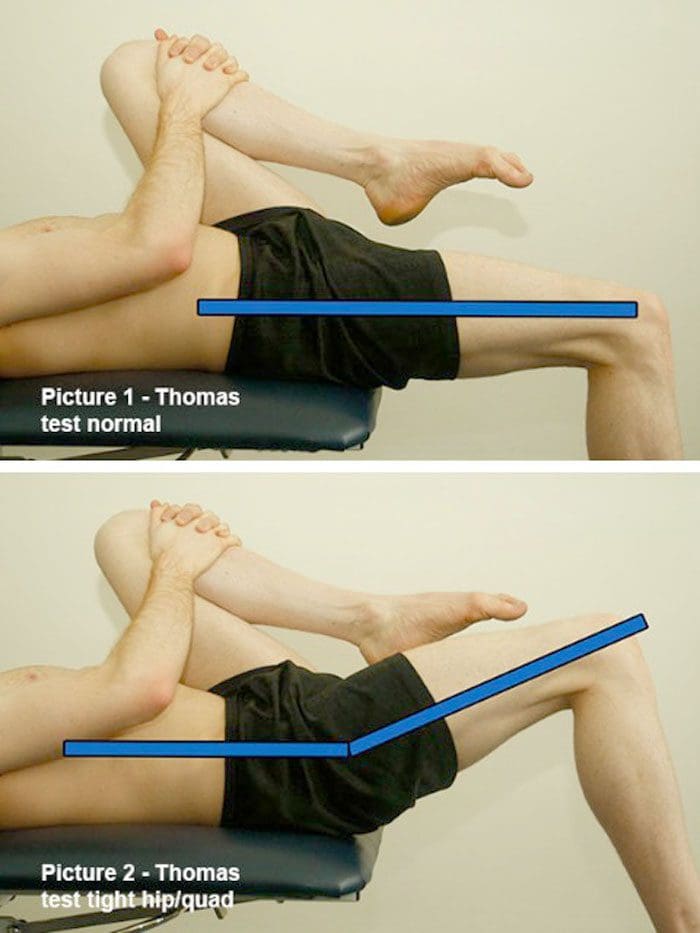
Tight hip flexors are a common complaint among individuals. Sitting for too long is the usual suspect, but highly active individuals can experience tightness. Here is a hip flexor test to determine if there is tightness:
Lie on back on a table or bench
Let the lower part of the legs hang off the side at the knees
Pull one knee up to the chest while keeping the head, shoulders, back, and hips in contact with the table/bench
The other leg will stay in contact with the table/bench with the knee at a 90-degree angle if the hip flexors are not tight
If they are tight, the other leg will come up from the table/bench, causing the knee to come out of the 90-degree angle
Perform on both sides, because one hip flexor could be tighter than the other
However, if the hip flexors are not tight but there is still discomfort, soreness then the most common cause is weak hip flexors.
Figuring out what’s making them so tight varies from person to person. Some individuals are more susceptible to tight hip flexors than others. Here are common reasons why individuals experience discomfort, soreness, and pain:
Sitting for a long time shortens and weakens the flexors
Poor posture can lead to standing or leaning on one hip
Sleeping too much on one side
Running or exercising without regular stretching especially of the hips
Tight Hip Flexor Symptoms
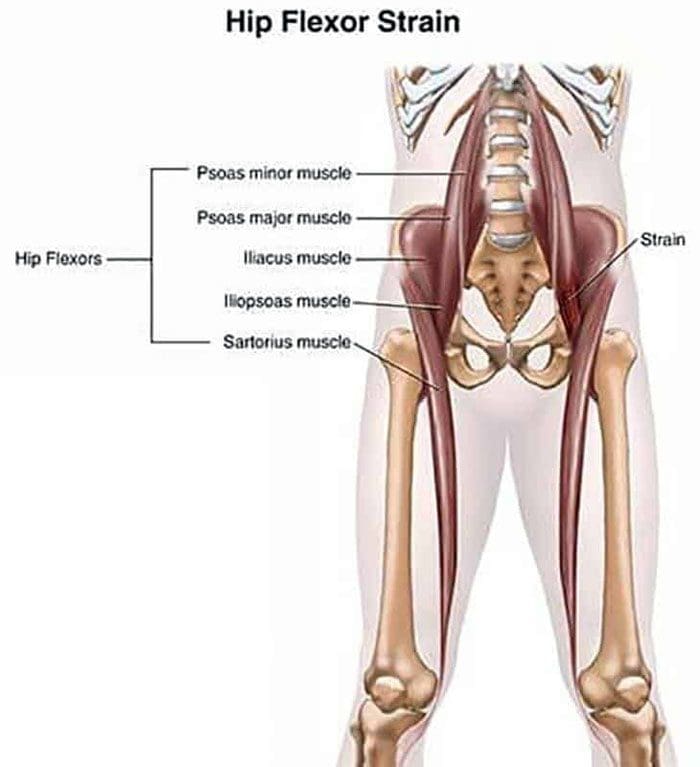
Many are surprised by how tight hip flexors can affect the rest of the body. This is because of the many different muscles in the hip flexor group. They help lift the leg at the hip, help stabilize the spine, and can affect the neck and shoulder area.
Tightness in the upper groin/hip area
Pain/tightness in the glutes
Tight hamstrings
Pain/tightness in the lower back when standing up
Trouble standing up straight
Pain/tightness in the neck
Releasing Tight Hips
The test is a great way to determine if the hip flexors are tight. Before attempting to stretch the hip flexors, it is key to determine that the flexors are tight or weak. If the hip flexors are not tight, stretching them will not help. Instead, they need to be strengthened. Individuals can confuse tight hip flexors with weak ones and become frustrated when there is no relief after stretching.
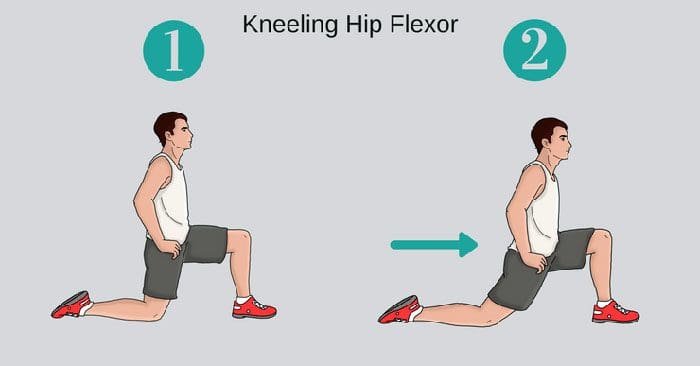
Kneel down with one leg bent at 90-degrees in front and the other at 90-degrees underneath
Keep the back straight
Squeeze the glutes
Tuck the pelvis forward
Maintain this position, lean forward gently into the forward leg
The stretch will be felt along the hip and front of the underneath leg
Hold for 15 to 30 seconds
Repeat 3 to 5 times
These stretches can be done 2 to 4 times throughout the day keeping the flexors from tightening up.
Chiropractic Care To Loosen Tight Hips
If dealing with pain in the hips when stretching or sitting, there could be something other than tight hip flexors, or in addition to tight flexors. If exercising or stretching, causes discomfort/pain, stop the activities and contact a chiropractor for a possible hip adjustment.Chiropractic medicine specializes in the entire musculoskeletal system.
Massage
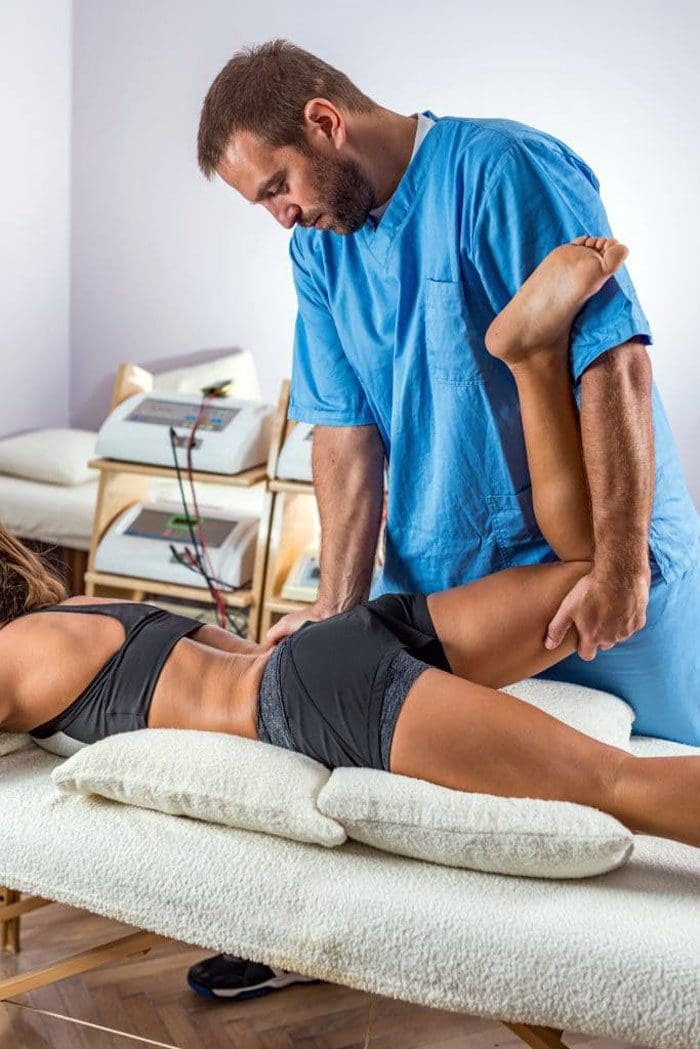
Combined with a hip adjustment, massage therapy will help relieve pain, stiffness and improve circulation. Many find relief from a massage after an adjustment, while others receive a massage before the adjustment.
A less common issue with hip flexors is cracking or popping during activity/s. Individuals can experience this while they are exercising or running and is usually caused by a tendon or muscle sliding over the bone. It can be difficult to determine the cause of the cracking/popping without seeing a medical professional. In some cases, it could be gas escaping the hip joint, while in others, it could be an issue that needs to be addressed by strengthening, massaging, and working out the muscle or tendon.
Strengthening Weak Hip Flexors
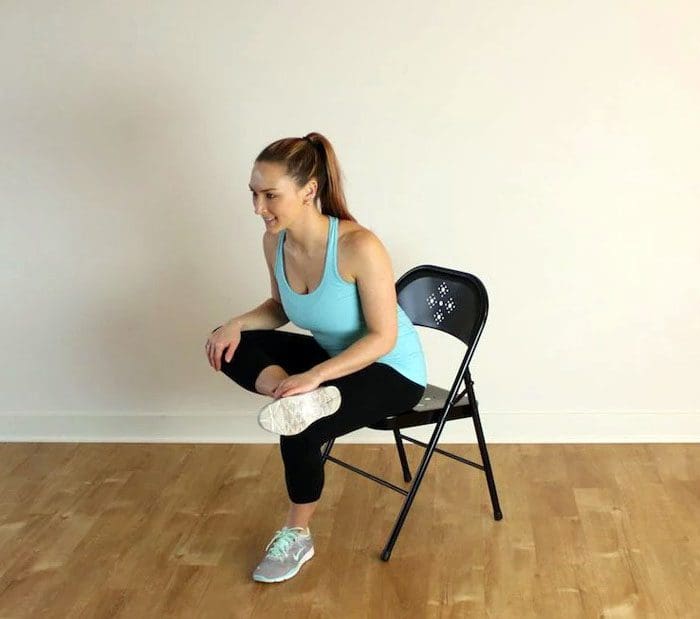
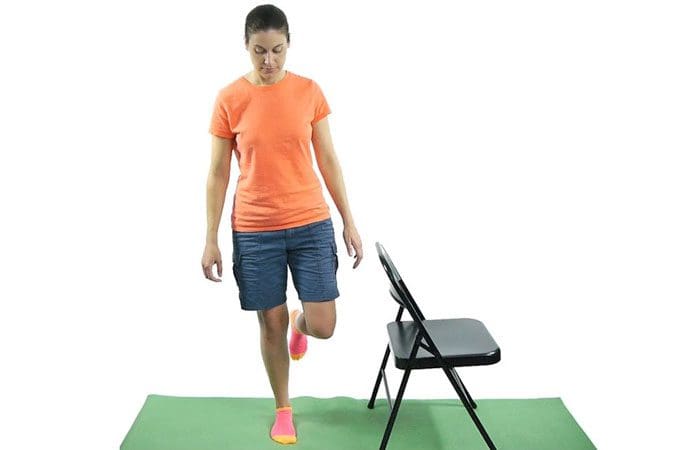
For those with weak hip flexors that is causing the discomfort, here are some exercises:
Keep the thigh of the other leg lifted parallel with the ground and the knee at 90-degrees
Hold for 30 seconds
Switch sides
Repeat 6 to 8 times
Knee Raises
Lift each knee as high as possible
Try to perform quickly but with control in alternating movements
Continue for 30 to 60 seconds
Repeat 3 to 5 times
Body Composition
Physical activity decreased
Physical inactivity is a primary factor in the progression of sarcopenia. Regular resistance exercise can help maintain muscle mass and help build muscular strength. Individuals that are more sedentary can exacerbate the effects of sarcopenia.
Decreased motor neurons
Aging comes with a loss of motor neurons caused by cell death. This leads to a decrease in muscle fiber numbers and size. This decrease leads to:
Impaired performance
Reduction in functional capacity
Decreased ability to perform everyday chores/tasks
Increased Pro-inflammatory Cytokines
Poor diet and exercise are known to promote and increase the storage of visceral fat. This type of fat produces pro-inflammatory cytokines which can accelerate muscle breakdown. Obesity and muscle weakness are associated with high levels of pro-inflammatory cytokines. This is made worse by decreased muscle mass and plays a role in the progression of sarcopenia.
Disclaimer
The information herein is not intended to replace a one-on-one relationship with a qualified health care professional, licensed physician, and is not medical advice. We encourage you to make your own health care decisions based on your research and partnership with a qualified health care professional. Our information scope is limited to chiropractic, musculoskeletal, physical medicines, wellness, sensitive health issues, functional medicine articles, topics, and discussions. We provide and present clinical collaboration with specialists from a wide array of disciplines. Each specialist is governed by their professional scope of practice and their jurisdiction of licensure. We use functional health & wellness protocols to treat and support care for the musculoskeletal system’s injuries or disorders. Our videos, posts, topics, subjects, and insights cover clinical matters, issues, and topics that relate to and support, directly or indirectly, our clinical scope of practice.* Our office has made a reasonable attempt to provide supportive citations and has identified the relevant research study or studies supporting our posts. We provide copies of supporting research studies available to regulatory boards and the public upon request. We understand that we cover matters that require an additional explanation of how it may assist in a particular care plan or treatment protocol; therefore, to further discuss the subject matter above, please feel free to ask Dr. Alex Jimenez or contact us at 915-850-0900.
Dr. Alex Jimenez DC, MSACP, CCST, IFMCP, CIFM, CTG*
email: [email protected]
phone: 915-850-0900
Licensed in Texas & New Mexico
Specialties: Stopping the PAIN! We Specialize in Treating Severe Sciatica, Neck-Back Pain, Whiplash, Headaches, Knee Injuries, Sports Injuries, Dizziness, Poor Sleep, Arthritis. We use advanced proven therapies focused on optimal Mobility, Posture Control, Deep Health Instruction, Integrative & Functional Medicine, Functional Fitness, Chronic Degenerative Disorder Treatment Protocols, and Structural Conditioning. We also integrate Wellness Nutrition, Wellness Detoxification Protocols and Functional Medicine for chronic musculoskeletal disorders. We use effective "Patient Focused Diet Plans", Specialized Chiropractic Techniques, Mobility-Agility Training, Cross-Fit Protocols, and the Premier "PUSH Functional Fitness System" to treat patients suffering from various injuries and health problems.
Ultimately, I am here to serve my patients and community as a Chiropractor passionately restoring functional life and facilitating living through increased mobility and true functional health.



Comments are closed.